The Ultra-Processed Food Reckoning
Modern food science is undergoing a dramatic transformation as medical experts confront the widespread harms of ultra-processed foods [Monteiro et al., 2019]. These factory formulations dominate grocery shelves and now account for more than half of daily calories in many industrialized nations. Growing clinical research directly links high consumption of these packaged goods to chronic inflammation, obesity, and cardiovascular diseases [Hall et al., 2019]. Public awareness is shifting rapidly as consumers recognize that industrial ingredients undermine long-term metabolic health and everyday energy. Understanding this dietary turning point helps individuals take control of their nutrition and build resilient, healthy lifestyles.
https://ea391pu8t33vfs9ate1ozm3s3z.hop.clickbank.net
Key Takeaways
Metabolic Impact: Ultra-processed foods disrupt natural fullness signals, encouraging passive overeating and driving chronic metabolic inflammation.
Socioeconomic Realities: Packaged foods remain cheap and convenient, requiring policy solutions that make nutritious whole foods equally affordable.
Regulatory Shifts: Global health agencies are introducing clear warning labels to promote transparency and reformulate industrial food products.
Uncovering How Industrial Food Formulations Disrupt Metabolic Health and Satiety
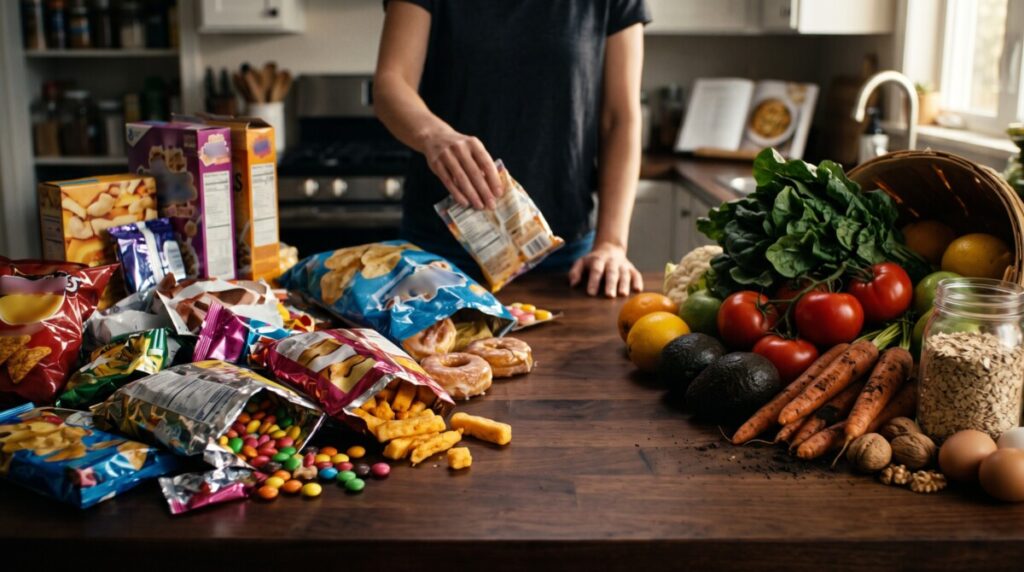
Food manufacturers engineer ultra-processed items by stripping whole ingredients of natural fiber and adding synthetic emulsifiers, flavors, and texturizers [Monteiro et al., 2019]. Controlled clinical trials demonstrate that these modified food matrices bypass internal fullness cues and stimulate continuous overeating [Hall et al., 2019]. For instance, study participants consuming ultra-processed meals naturally ate five hundred extra calories daily compared to whole-food consumers. In addition, artificial additives alter delicate gut bacteria, creating systemic inflammation that contributes directly to insulin resistance over time. These compounded biological disturbances prove that modern food processing fundamentally damages human metabolic health beyond basic calorie counts.
https://e4715kxzoazsnm1l-3qcwh9zbo.hop.clickbank.net
Examining Convenience Arguments and Economic Challenges of Whole Food Access
Food industry advocates argue that packaged products provide affordable, shelf-stable nutrition that keeps grocery bills manageable for working families [Nestle, 2026]. Supporters maintain that fortified breakfast cereals and prepared meals deliver essential vitamins to communities located within urban food deserts. However, health economists note that cheap industrial foods generate massive downstream medical costs through preventable chronic health conditions [Allen, 2026]. Low-income neighborhoods frequently face systemic barriers because fresh produce markets remain physically distant and financially out of reach. Public health leaders therefore argue that true consumer choice requires making wholesome, minimally processed ingredients accessible to every community.
Transforming Modern Public Health Policy Through Front-of-Package Food Labeling
Governments around the world are implementing strict front-of-package nutritional warning labels to guide shoppers toward healthier retail purchasing decisions [Monteiro, 2026]. Nations like Chile, Brazil, and Canada now mandate prominent black warning seals on products packed with industrial additives. These transparent regulatory standards successfully motivate major multinational food corporations to reformulate products and reduce harmful additives. Emerging public health programs are also introducing food prescriptions that subsidize fresh farm produce for vulnerable patient populations. Over the next decade, standardized labeling laws and institutional purchasing reforms will fundamentally reshape global food environments for everyone.
Conclusion
The global reckoning with ultra-processed food highlights an urgent need to rebuild modern diets around nourishing whole foods. Scientific evidence consistently shows that industrial additives and hyper-palatable formulations trigger widespread metabolic dysfunction and chronic systemic diseases. While economic and convenience factors keep processed items popular, regulatory reforms and consumer education are driving meaningful market changes. Individuals hold substantial power to protect their health by choosing minimally processed meals whenever daily circumstances allow. Returning to wholesome cooking remains one of the most effective personal investments for achieving lasting metabolic vitality.
https://holisticwellnesswave.com/index.php/2026/01/13/effective-hydration-beyond-water-essentials/
https://www.ncbi.nlm.nih.gov/
Frequently Asked Questions
What defines an ultra-processed food compared to a standard processed food?
Standard processed foods involve simple culinary techniques like canning vegetables or fermenting cheese using basic kitchen ingredients. In contrast, ultra-processed foods are industrial formulations made with cosmetic additives, emulsifiers, modified starches, and minimal intact whole foods. These products are engineered for extreme palatability and an exceptionally long shelf life.
Why do ultra-processed foods trigger passive overeating and weight gain?
https://82e60ov5l5zyjq3qxdj7qa69ae.hop.clickbank.net
Ultra-processed foods lack natural cellular fiber matrices, allowing the human body to digest them unusually fast. This rapid digestion blunts normal satiety hormones, which tricks the brain into demanding more calories shortly after eating. Controlled feeding studies confirm that people consuming ultra-processed diets naturally eat hundreds of extra calories every day without realizing it.
How can households reduce ultra-processed foods without overspending on groceries?
Shoppers can focus on buying affordable, nutrient-dense whole foods such as dried lentils, canned beans, brown rice, and frozen vegetables. Cooking simple batches of grains and legumes at home replaces pre-packaged frozen dinners at a fraction of the cost. Making gradual substitutions, such as replacing sugary breakfast cereals with plain rolled oats, dramatically cuts daily additive intake.