High-Protein Desserts & Functional Snacking
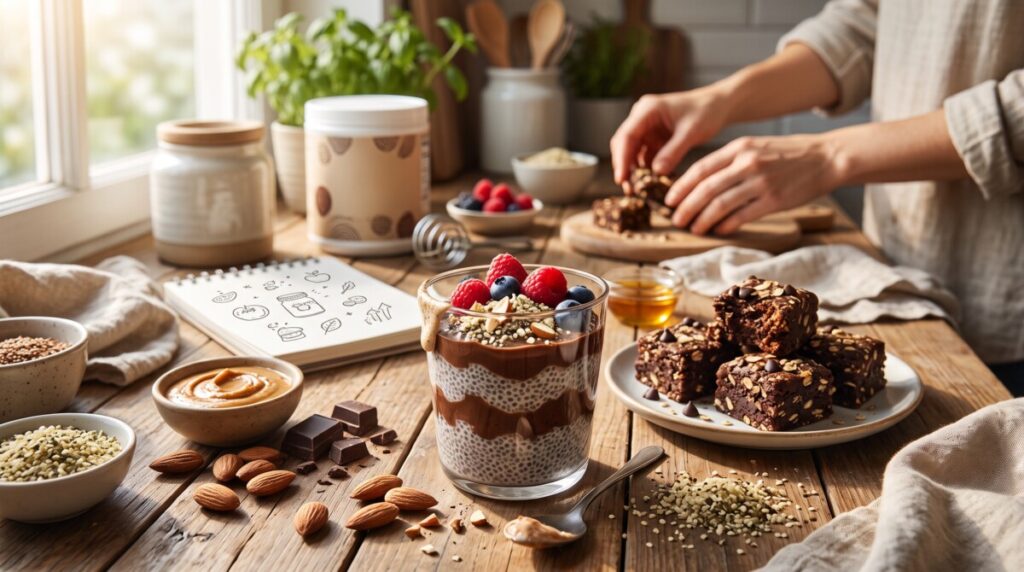
Modern consumers increasingly reject restrictive dieting patterns in favor of wholesome, nutrient-dense treats that satisfy daily sweet cravings [Wansink et al., 2022]. Traditional dessert recipes rely heavily on refined sugars and processed fats that cause rapid spikes in circulating blood glucose. By infusing everyday treats with quality whey, casein, or plant proteins, functional recipes turn indulgence into purposeful nutrition. These innovative formulations help busy individuals maintain consistent energy levels while meeting demanding daily protein targets for muscle maintenance. Exploring functional dessert options offers a sustainable path toward enjoying sweet flavors without compromising ongoing metabolic wellness.
https://82891np-l93xgo2dhh-c0dyp9y.hop.clickbank.net
Key Takeaways
Blood Sugar Control: Protein slows gastric emptying, preventing rapid glucose spikes and subsequent energy crashes after dessert.
Satiety Promotion: Functional snacks stimulate key fullness hormones, reducing mindless evening snacking and chronic sweet cravings.
Nutritional Utility: Reformulated treats supply essential amino acids, supporting daily muscle repair while delivering authentic dessert satisfaction.
Balancing Blood Sugar Levels With Protein-Rich Dessert Formulations
Blending quality protein into traditional desserts significantly blunts the post-meal glucose response that standard sugary confections trigger [Layman et al., 2021]. Dietary protein slows gastric emptying, which allows carbohydrates to enter the bloodstream at a much steadier rate. For example, clinical studies show that adding Greek yogurt or cottage cheese to berry desserts prevents steep insulin spikes. This deliberate macronutrient balance keeps mental energy stable while curbing the intense hunger that often follows sugary snacks. By stabilizing daily glycemic fluctuations, functional desserts provide steady energy without triggering sudden afternoon metabolic crashes.
https://e9e03cy4ld7pno993b1303ez9v.hop.clickbank.net
Addressing Artificial Sweetener Concerns and Digestive Tolerance Limits
Some nutrition purists argue that packaged protein confections merely represent ultra-processed foods masquerading as genuine health items [Monteiro et al., 2019]. Commercial dessert manufacturers frequently rely on sugar alcohols and artificial sweeteners that can disrupt sensitive gut microbiomes. Excessive consumption of these synthetic additives often produces uncomfortable bloating, digestive gas, and gastrointestinal distress in susceptible individuals. Furthermore, relying on hyper-palatable sweet bars may reinforce persistent cravings for sweets rather than encouraging wholesome eating habits. Nutritionists therefore caution that processed dessert bars should not entirely replace naturally sweet fruits and whole foods.
Scaling Clean Label Functional Snacks for Active Modern Lifestyles
Food scientists are actively formulating next-generation functional treats that blend ancient whole grains, seeds, and novel plant proteins [Aschemann-Witzel et al., 2023]. Modern kitchens utilize natural emulsifiers like blended chickpeas and silken tofu to create rich chocolate mousse textures without artificial thickeners. Emerging market analytics indicate that younger shoppers overwhelmingly prefer functional sweet snacks enriched with gut-friendly prebiotic fibers and adaptogens. Upcoming confectionery advancements will deliver clean-label baked goods that match traditional bakery tastes while supplying twenty grams of complete protein. These ongoing culinary innovations demonstrate that functional desserts will define the future of healthy convenience snacking.
Conclusion
The growing popularity of high-protein desserts marks a beneficial shift away from restrictive and joyless dietary regimens [Layman et al., 2021]. Combining quality amino acids with beloved dessert flavors stabilizes blood sugar levels while supporting functional muscle recovery. Although shoppers should carefully inspect ingredient labels for excessive synthetic additives, nutrient-dense treats provide meaningful dietary value. As innovative food technology advances, consumers can look forward to even tastier snacks that support whole-body health. Prioritizing smart, protein-rich snacks transforms mindful dessert enjoyment into an effective tool for sustaining lifelong physical vitality.
https://holisticwellnesswave.com/index.php/2025/12/25/probiotics-vs-postbiotics-which-is-right-for-your-gut/
https://www.ncbi.nlm.nih.gov/
Frequently Asked Questions
How do high-protein desserts help prevent overeating throughout the day?
Protein stimulates the release of satiety hormones like peptide YY and glucagon-like peptide-1 while lowering circulating levels of hunger-inducing ghrelin [Layman et al., 2021]. Because protein digests far more slowly than simple sugars, these treats keep appetite stable for several hours after consumption. Consequently, enjoying a protein-rich sweet snack helps individuals avoid impulsive late-night trips to the pantry.
https://2d745okbr44ucq6-68yf7er43r.hop.clickbank.net
Which whole-food ingredients work best for homemade high-protein desserts?
Thick Greek yogurt, blended cottage cheese, liquid egg whites, and silken tofu serve as exceptional whole-food bases for puddings and cheesecakes [Aschemann-Witzel et al., 2023]. In baked recipes, almond flour, finely ground oats, and natural nut butters add significant protein, healthy fats, and dietary fiber without altering texture. Combining these ingredients with dark cocoa powder and ripe fruit produces delicious desserts rich in micronutrients.
Are packaged protein snacks healthy enough to eat on a daily basis?
Packaged protein bars and cookies provide convenient nutrition on busy days, but individuals should examine nutrition labels closely before establishing daily habits [Monteiro et al., 2019]. Many commercial options contain high concentrations of saturated oils, artificial flavorings, and sugar alcohols that may cause digestive irritation. Choosing brands with minimal ingredients or preparing simple homemade protein treats provides superior nutritional benefits over the long term.