The Future of Fitness Tech
The future of fitness tech: shows rapid progress in 2026. Recent statistics reveal strong growth in the global fitness technology market:
In 2025, fitness services reached USD 378.67 billion.
By 2026, the market expects to rise to USD 417.97 billion.
The projected compound annual growth rate stands at 10.58%.
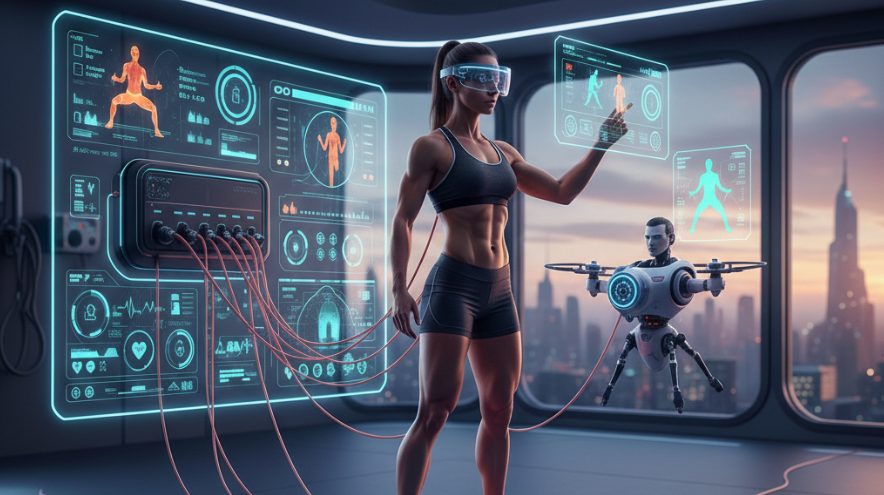
Wearable technology transforms how individuals approach fitness. More than 70% of wearable users apply their output data to shape exercise and recovery strategies. The future of fitness tech: brings innovations such as remote personal training, AI-driven fitness apps, and virtual reality workouts. Connected gym equipment and tools that auto-adjust resistance help personalize routines. The future of fitness tech: offers opportunities for everyone to improve training and wellness. Individuals should consider how these advancements fit their fitness journey.
The future of fitness tech: empowers people to track progress, adapt routines, and reach goals with greater precision.
affiliate link
Key Takeaways
Wearable technology is revolutionizing fitness by providing real-time data that helps users personalize their workouts and recovery strategies.
AI-driven fitness apps offer tailored training plans that adapt to individual needs, enhancing performance and reducing injury risks.
Inclusivity in fitness is on the rise, with programs designed for all ages and abilities, making exercise accessible and enjoyable for everyone.
Low-impact workouts and innovative technologies support active aging, helping older adults maintain health, independence, and social connections.
Community support through virtual platforms boosts motivation and accountability, making fitness more engaging and effective.
The Future of Fitness Tech: Key Trends
AI in Training and Recovery
Artificial intelligence stands at the center of fitness innovation in 2026. AI-powered fitness apps now deliver personalized training plans that adapt to each user’s needs. These apps analyze physical characteristics, workout history, and even daily mood or energy levels. As a result, users receive data-driven workouts that change in real time. For example, if a wearable device detects poor sleep or high fatigue, the AI can reduce workout intensity or recommend smart recovery protocols. This level of personalization helps users avoid injury and maximize results.
AI-steered training also improves coaching. Trainers use data-driven technology to monitor client progress and adjust routines. Integration with wearables allows for instant feedback, making coaching more effective. Studies show that 32% of users report significant efficiency gains from AI, while 70% of trainers see improvements in their coaching outcomes. AI-driven technology not only enhances performance but also makes fitness more accessible for everyone.
AI-driven recovery methods are now a vital part of fitness routines, with dedicated memberships and strategies focused on optimizing rest and repair.
Fitness Trends 2026 for All Ages
Fitness trends 2026 highlight a shift toward inclusivity and accessibility. People of all ages now participate in fitness, with 76% of Gen Z reporting regular exercise. Interest in yoga and Pilates continues to rise, especially among younger adults. The market also sees a surge in home equipment purchases, as 63% of individuals aged 18-29 plan to buy new gear soon.
The industry now emphasizes body neutrality and self-acceptance. Inclusive fitness programs encourage healthy practices for everyone, regardless of age or ability. Data-driven technology helps trainers create programs that suit each person’s needs. This approach ensures that fitness remains enjoyable and sustainable for all.
The integration of data from fitness trackers allows for more effective programming, making workouts safer and more engaging for every age group.
Low-Impact and Active Aging Workouts
Fitness programs for older adults have evolved with technology. Virtual reality and augmented reality offer immersive experiences, such as virtual museum tours and interactive games, which boost mental stimulation and social interaction. Wearable technology tracks health metrics and motivates seniors through community challenges. Smart home systems remind users about activities and help them stay connected.
| Adaptation Type | Description |
|---|---|
| Virtual Reality and Augmented Reality | Seniors engage in immersive experiences like virtual museum tours and interactive games to enhance mental stimulation and social interaction. |
| Wearable Technology | Devices track health metrics and encourage physical activity through community programs and challenges. |
| Smart Home Integration | Systems remind seniors of activities and facilitate social connections, promoting participation in fitness. |
Fitness programs for older adults now include mindfulness classes, gentle exercises like yoga and Tai Chi, and creative arts. These activities improve balance, flexibility, and mental health. Group classes and outdoor activities, such as hiking clubs and gardening, keep seniors motivated and connected.
Scientific studies support the benefits of low-impact workouts for active aging.
Resistance training increases strength and fitness. Cycling improves cardiovascular health and mobility. Chair-based exercises enhance physical function, while walking and Tai Chi promote both physical and mental well-being.
| Study | Findings |
|---|---|
| Fragala MS, et al. (2019) | Resistance training benefits strength and overall fitness in older adults. |
| Kardan M, et al. (2023) | Cycling improves cardiovascular health and mobility. |
| Klempel N, et al. (2021) | Chair-based exercises enhance physical function. |
| Ungvari Z, et al. (2023) | Walking supports healthy aging and mental health. |
| Yang F-C, et al. (2021) | Tai Chi promotes health in older adults. |
Fitness centers and online platforms now offer remote support for physical activity. In 2026, 86% of providers deliver remote coaching, and 59% offer real-time virtual programs. These programs foster social support and make fitness more accessible. However, some older adults face barriers, such as limited technical skills or access to technology. Providers address these challenges by tailoring programs and using hybrid approaches that balance convenience with social benefits.
Low-impact workouts and active aging programs help older adults stay healthy, independent, and socially connected.
affiliate link
Advanced Wearable Tech and Devices
Smart Rings and Exoskeletons
Smart rings and exoskeletons represent the latest breakthroughs in advanced wearable tech. Athletes and fitness enthusiasts use smart rings to track health metrics with greater accuracy. These rings now feature longer battery life, luxurious materials, and advanced sensors. Users can monitor blood pressure, heart rate, and even pay for items using NFC Tap-to-Pay. Exoskeletons support muscle performance and ease movement for athletes. Some models offer spinal support and adjustable compression, which helps prevent injuries.
| Technology Type | Features and Benefits |
|---|---|
| Smart Rings | Improved battery life, health tracking (blood pressure, heart rate, etc.), luxurious materials, NFC Tap-to-Pay, and advanced sensors for comprehensive biomarker tracking. |
| Exoskeletons | Enhanced muscle performance, back support, and ease of movement for athletes, with specific models providing spinal support and adjustable compression for injury prevention. |
Exoskeletons also improve accessibility for people with mobility challenges. Devices like the Atalante X allow users to stand and walk without upper body support. The Hybrid Assistive Limb helps users regain balance and strength during therapy. The Hypershell X Go extends mobility and supports good posture.
“Wearable technologies will continue to transform neurorehabilitation by enabling more precise, consistent, and personalized therapy both in the clinic and at home.”
Wearable Technology for Health Tracking
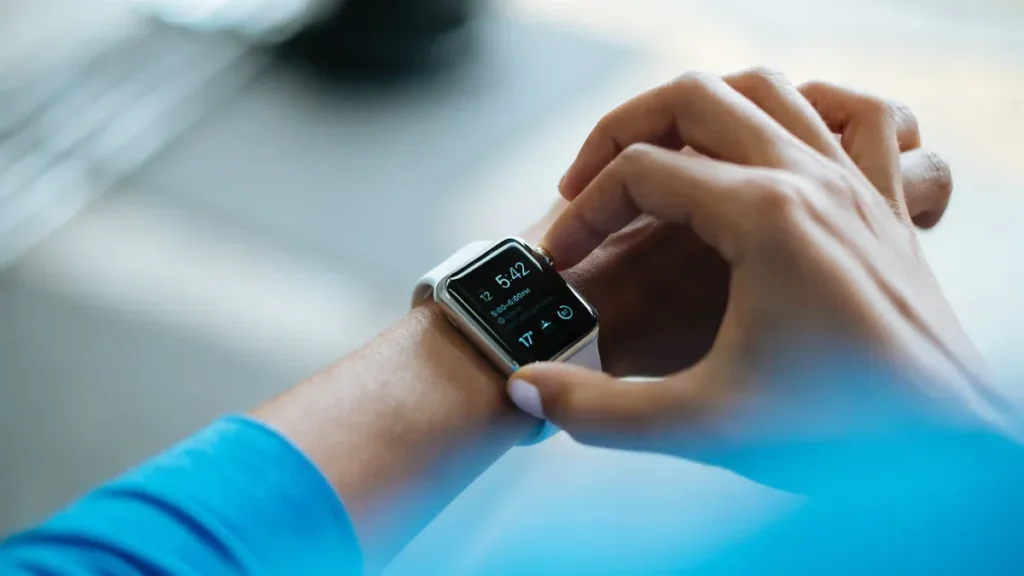
Also wearable technology plays a vital role in tracking health and fitness data. Top smartwatches and fitness trackers from brands like Amazfit, Apple, Fitbit, Google, and Samsung monitor sleep quality, heart rate, and workout intensity. High-end smart wearables offer features such as fall detection and sensors for breathing patterns and skin temperature. These devices help users identify health issues early and adjust their routines for better results. Wearables provide real-time feedback, which encourages users to stay active and make healthier choices.
Integration with Daily Life
Wearable technology fits seamlessly into daily routines. People use smart wearables to monitor sleep, movement, heart rate, and stress. This information helps them build better habits and reach long-term health goals. Wearables give personalized insights and feedback, which promote awareness and accountability. Many users rely on connected fitness and recovery platforms to maintain consistent health behaviors.
Challenges remain, such as data accuracy, battery life, and privacy concerns. Manufacturers address these issues by using AI for better data interpretation and Bluetooth Low Energy for improved connectivity. Edge computing also helps by running AI models locally, which reduces power use and increases speed.
Sleep and recovery monitoring
Heart rate variability and stress metrics
Connected fitness and recovery platforms
Mobile Fitness Apps and Community Trends

Exercise Apps for Convenience
Mobile exercise apps have changed how people approach fitness in 2026. These apps offer extensive exercise libraries, giving users access to over 1,400 exercises with clear instructions and images. Many apps now include offline access, so users can complete exercise routines at the gym or outdoors without needing an internet connection. AI-powered recommendations help users find the best exercise for weight management and personal goals. The apps also connect users to a global community of over 12 million members, which provides motivation and accountability.
| Feature | Description |
|---|---|
| Extensive exercise libraries | Apps provide access to over 1,400 exercises with detailed instructions and images. |
| Community support | A global community of over 12 million members offers motivation and accountability. |
| Offline access | Users can access workouts without needing an internet connection, making it convenient for gym use. |
| AI-powered recommendations | Personalized workout suggestions based on user data enhance the effectiveness of exercise routines. |
Mobile exercise apps make exercise for weight management easier and more accessible. Users can track progress, set reminders, and receive feedback on their workouts. These trends show that technology now supports a wide range of fitness needs.
Community Fitness Initiatives
affiliate link
Community fitness initiatives have become a major trend in 2026. Social support interventions increase the time people spend being physically active by a median of 44.2%. The frequency of exercise rises by 19.6%, and aerobic capacity improves by 4.7%. Participants who receive more frequent support stay more active than those with less support. These trends highlight the importance of community in fitness and exercise for weight management.
Social support interventions increase physical activity time by 44.2%.
Frequency of exercise rises by 19.6%.
Aerobic capacity improves by 4.7%.
Frequent support leads to higher activity levels.
Virtual and Hybrid Platforms
Virtual and hybrid platforms now shape how people engage with group workouts. These platforms create vibrant, digitally-connected communities that boost motivation and accountability. Users receive personalized workout plans and join group challenges, making exercise for weight management more engaging. Features like leaderboards and virtual high-fives encourage participation and reduce isolation. Over 60% of regular exercisers now prefer hybrid workouts, mixing in-person and digital sessions. The virtual fitness market is expected to exceed $30 billion by 2026, growing at a 25% compound annual growth rate. These trends show that virtual coaching and hybrid models will continue to expand, making fitness more accessible for everyone.
| Evidence Type | Description |
|---|---|
| Community Engagement | Virtual platforms create vibrant, digitally-connected communities, enhancing motivation and accountability. |
| Personalization | Users receive tailored workout plans that cater to individual needs while still participating in group challenges. |
| Social Proof | Seeing peers log workouts increases individual motivation, creating a supportive environment. |
| Real-time Feedback | Features like leaderboards and virtual high-fives encourage consistent participation and reduce feelings of isolation. |
| Hybrid Models | Over 60% of regular exercisers prefer a mix of in-person and digital sessions, indicating a shift in workout preferences. |
Recovery and Wellness Innovations
AI-Driven Recovery Tools
AI-driven recovery tools have changed how athletes and fitness enthusiasts approach exercise and wellness. These tools use predictive models and wearable technology to identify injury risks before they happen. Devices track movement and fatigue, helping users prevent injuries and optimize recovery. Teams have reduced injury rates by monitoring player fatigue with these technologies. Devices like Whoop 4.0 analyze health metrics to help athletes improve recovery after exercise.
| Innovation Type | Description |
|---|---|
| Predictive Models | Use data from sensors to spot injury risks before they occur. |
| Wearable Technology | Monitor movement and fatigue to prevent injuries and optimize recovery. |
| Personalized Rehabilitation | AI customizes recovery programs using real-time feedback and motion analysis. |
“AI tools automate the selection of recent file versions and forecast system failures, making recovery faster and more efficient than traditional methods.”
Altitude Training and Light Therapy
Altitude training and light therapy have become popular trends in fitness recovery. Altitude training exposes the body to low-oxygen environments, which stimulates the production of red blood cells. This process improves the blood’s ability to carry oxygen, boosts capillary density, and increases mitochondrial efficiency. These changes help athletes recover faster and perform better during exercise. Light therapy uses specific wavelengths to reduce muscle soreness and speed up healing after intense workouts. Many fitness centers now offer these therapies as part of their recovery programs.
Metabolic Health Focus
Metabolic health has become a key focus in fitness technology. Zone 2 training, determined by VO2 Max testing, helps athletes and fitness enthusiasts find the most effective exercise zones. Metabolic testing gives precise data for tracking progress and adjusting exercise plans. This approach leads to more efficient workouts and better results. New devices and apps, such as Social POD App, SoSu-life, and AiperMotion, track activity, nutrition, and sleep quality. These tools encourage healthy habits and support long-term wellness.
| Device/App | Key Features | Effectiveness |
|---|---|---|
| Social POD App | Notifications, social interaction | Weight loss and BMI reduction |
| SoSu-life | Peer and weekly challenges | Greater reduction in body fat and waist circumference |
| AiperMotion | Activity tracking, motivational feedback | Improved metabolic health outcomes |
Wearable health trackers now include bracelets, clip-on devices, clothing with sensors, continuous glucose monitors, rings, and smartwatches. These devices track activity types, nutrition, calories burned, and sleep quality, supporting the latest trends in exercise and health.
Fitness technology in 2026 transforms how people approach exercise and wellness. Trainers and clients now share data across platforms, gaining a full view of health patterns. Wearable devices track heart rate variability, sleep, and stress, making exercise safer and more effective. Data-driven insights turn every workout into a step toward long-term health.
Smart wearables and AI-powered tools personalize exercise routines.
Virtual reality and hybrid models make fitness more engaging.
Real-time feedback and progress tracking motivate users to reach exercise goals.
| Benefit | Description |
|---|---|
| Smart Wearables | Track recovery and readiness for exercise, helping users adjust fitness plans. |
| Integrated Health Data | Syncs sleep, nutrition, and exercise data for a complete fitness picture. |
| AI Personalization | Adjusts exercise and recovery in real time, reducing injury risk. |
People should improve digital literacy to use fitness technology well. They can use movement health assessments, AI, and real-time data to enhance exercise results. Embracing new fitness tech helps everyone build healthier, more effective routines.
FAQ
What is the main benefit of using AI in fitness training?
AI helps users personalize workouts. It analyzes data from wearables and adjusts routines based on energy levels, sleep, and progress. This approach improves results and reduces injury risk.
How do smart rings differ from traditional fitness trackers?
Smart rings track health metrics like heart rate and blood pressure. They offer longer battery life and advanced sensors. Users can wear them discreetly and use features like NFC Tap-to-Pay.
Can older adults use fitness technology safely?
Fitness technology supports older adults with low-impact workouts, virtual reality, and wearable devices. These tools help improve balance, strength, and social connection. Providers tailor programs for safety and accessibility.
Are virtual fitness platforms effective for motivation?
Virtual fitness platforms build community. They offer group challenges, leaderboards, and real-time feedback. Users stay motivated and accountable by connecting with others and tracking progress.
Conclusion
As we look ahead, the future of fitness technology promises to be both exciting and transformative. With innovations continuously evolving, we can anticipate more personalized and efficient solutions that cater to individual needs and preferences. The integration of AI, wearable tech, and virtual platforms will not only enhance our fitness experiences but also empower us to achieve our health goals with greater precision and insight. As technology advances, it will undoubtedly play a pivotal role in shaping how we approach physical well-being, making fitness more accessible, engaging, and effective for everyone. Embracing these advancements will open up new possibilities for a healthier, more active lifestyle, and allow us to redefine the boundaries of fitness in the modern age.