Unlock Home Design Secrets: Longevity Residences
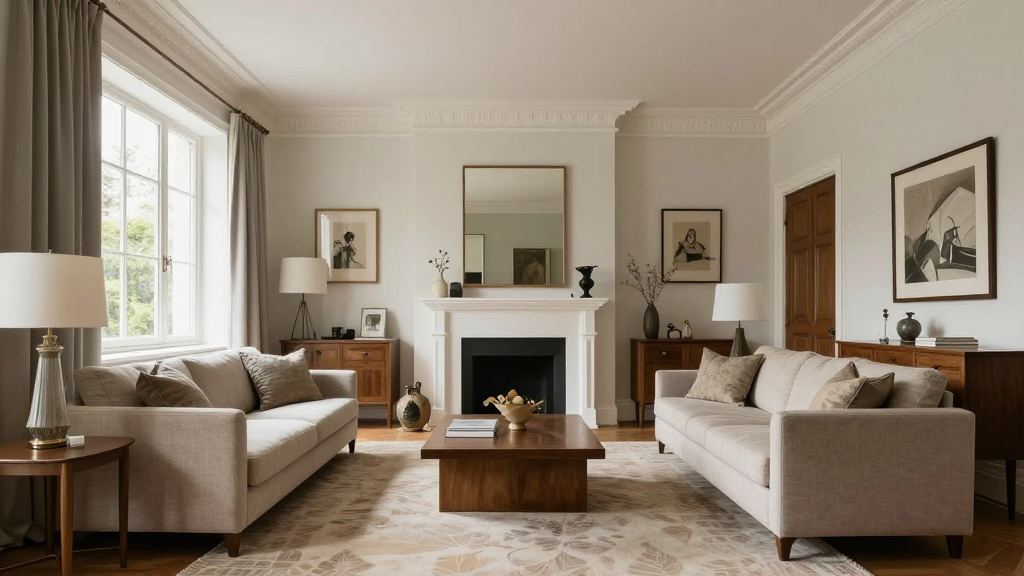
In the quest for personal health, the focus is shifting from the device on your wrist to the very environment you inhabit. This evolution marks a significant transition from traditional wearable technology to a holistic home environment that actively promotes well-being. The concept of bio-hacking homes is rapidly gaining momentum, as individuals seek to create living spaces that enhance longevity and vitality.
At the heart of this trend is the integration of medical-grade technologies into residential spaces. From circadian lighting systems to advanced air filtration, these innovations are designed to foster a health-focused lifestyle. As we delve deeper, we’ll explore how these cutting-edge developments are redefining luxury and setting new standards in home design, transforming residences into sanctuaries of wellness.
affiliate link
Circadian Lighting Systems
Circadian rhythms are the natural cycles in our bodies that regulate sleep, mood, and metabolism. These rhythms are influenced by light and darkness in our environment. To better align these rhythms with our biological clocks, circadian lighting systems have emerged as a transformative solution.
These systems mimic natural light patterns by adjusting the color and intensity of light throughout the day. Technologies such as Human Centric Lighting and deep dimming capabilities enable these systems to provide optimal lighting that supports our biological needs. By aligning with the natural day-night cycle, circadian lighting helps regulate melatonin production, crucial for improving sleep quality.
The benefits of implementing a circadian lighting system are profound. According to research, these systems not only enhance sleep quality but also improve mood by reducing stress and enhancing alertness. Proper exposure to light during the day can boost productivity and concentration, fostering a healthier living environment. As homes are increasingly designed with wellness in mind, circadian lighting systems are proving to be a vital component in promoting long-term health.
Advanced Air Filtration
According to the EPA, poor air quality is linked to numerous health issues, including exacerbated lung and heart diseases. In response, advanced air filtration technologies have emerged to combat these health risks and improve overall wellness.
Traditional systems often rely on HEPA filters, which capture large particles effectively. However, advanced technologies such as smart filters, Ultraviolet Germicidal Irradiation (UVGI), and electrostatic precipitators offer enhanced filtration capabilities. Smart filters use sensors to adapt to real-time air quality conditions, while UVGI filters utilize UV light to eliminate pathogens and viruses, ensuring a safer indoor environment. Electrostatic precipitators charge particles and draw them to collector plates, efficiently reducing airborne contaminants.
| Feature | Traditional Systems | Advanced Systems |
|---|---|---|
| Particle Removal | Basic HEPA Filtration | Smart Sensors, Electrostatic Precipitators |
| Pathogen Elimination | Limited | UVGI Technology |
By integrating these cutting-edge technologies, homes can significantly improve respiratory health and overall wellness, making them essential components in a longevity-focused home.
Red-Light Therapy Rooms
affiliate link
Red-light therapy (RLT) is an innovative treatment that uses low levels of red light to enhance skin appearance and address various skin conditions. By interacting with the mitochondria, the energy powerhouses of cells, it stimulates energy production, promoting skin repair and rejuvenation. Known also as photobiomodulation, RLT extends beyond cosmetic applications, showing potential in treating medical conditions such as psoriasis and pain relief.
Research indicates that RLT can significantly reduce inflammation and improve recovery by targeting cytochrome c oxidase in mitochondria, thereby increasing ATP production. This process not only enhances cell survival but also reduces oxidative stress. “Red-light therapy presents a promising non-invasive treatment option,” notes a health expert, highlighting its broad therapeutic potential.
When considering installing a red-light therapy room, selecting the right location is crucial. Ensure adequate space for the panels, whether tabletop or full-size, and account for ventilation and electrical requirements. Choose a private, distraction-free area with proper lighting to optimize the therapeutic experience. By thoughtfully designing your red-light therapy space, you can create a sanctuary for healing and longevity.
The New Standard in Luxury
The evolution of luxury in home design reflects a significant shift from opulence to a more personalized and sustainable approach. Modern luxury emphasizes creating spaces that enrich experiences and improve well-being, moving away from mere displays of wealth. This transformation is driven by a growing consumer preference for homes that incorporate smart technologies and eco-friendly materials, aiming for thoughtful living that enhances quality of life.
Traditional Luxury: Focused on extravagant materials, opulent décor, and high-end amenities.
New Luxury: Prioritizes health-focused features such as circadian lighting, biophilic design, and advanced air filtration systems.
Market Trend: A study by Global Wellness Institute indicates wellness real estate is a $134 billion industry, growing at 6% annually, reflecting rising demand for health-centric design.
The comparison underscores a paradigm shift where the definition of luxury now encompasses wellness and sustainability, offering an immersive lifestyle that supports longevity. This redefined grandeur is about more than just aesthetics; it’s about creating a holistic environment that nurtures both mind and body.
Transforming Your Home
Retrofitting your home for longevity involves a tiered approach that balances energy efficiency with health-focused improvements. Begin with energy conservation by implementing simple measures like installing LED lightbulbs and using draught excluders. These low-cost upgrades reduce energy consumption and cut utility bills.
Next, enhance energy efficiency with structural improvements such as loft insulation and secondary glazing. These steps, while initially more expensive, significantly reduce heat loss and can provide long-term savings. Integrating smart energy management systems further optimizes consumption, offering substantial financial benefits over time.
For the most impactful health benefits, focus on air quality improvements and natural lighting enhancements. Advanced air filtration systems and circadian lighting can greatly enhance health and well-being, reducing respiratory issues and improving mood and sleep patterns. While these upgrades may require a higher initial investment, the health dividends they yield are invaluable.
Overall, strategic planning and investment in these longevity-focused upgrades not only enhance your home’s value but also improve your quality of life, making it a worthy endeavor.
FAQs on Longevity Residences
affiliate link
As more people explore the concept of bio-hacking their homes, several questions frequently arise. Here, we address some key concerns and clarify common misconceptions.
What is Home Biohacking? Home biohacking involves making intentional changes to your living space to enhance health and well-being. This transformation creates a dynamic environment that encourages healthier habits and protects your health.
How can I improve air quality in my home? Utilizing air purifiers and sterilizers can significantly enhance indoor air quality by filtering out dust, allergens, and harmful particles. These devices are particularly beneficial for those with respiratory issues or allergies.
Is more technology always better for home biohacking? Not necessarily. While technology like red-light therapy and circadian lighting can be beneficial, focusing on basic elements like sleep, nutrition, and stress management often has a more significant impact.
What are some practical tips for beginners in home biohacking? Start with simple steps like optimizing your sleep environment, decluttering for mental clarity, and incorporating physical activity spaces. These foundational changes can create a supportive environment for further biohacking efforts.
Conclusion
https://holisticwellnesswave.com/index.php/2026/01/29/the-rise-of-cozy-cardio-and-its-impact-on-mental-wellbeing/
As we’ve explored, the shift from wearable technology to home environments reflects a profound change in how we approach health and longevity. By integrating elements like circadian lighting systems, advanced air filtration, and red-light therapy, homes can become wellness sanctuaries. These enhancements not only improve sleep and respiratory health but also redefine the very notion of luxury living.
Creating a health-focused home is more important than ever, offering long-term benefits that go beyond aesthetics. By taking steps to retrofit your living space, you can support your biology effectively. Consider these changes not just as an investment in property, but as an investment in a healthier, longer life.