Stress Management: 15-Min Routine

In today’s fast-paced world, chronic stress has become an all-too-common companion for many. Managing this persistent stress is crucial for both mental and physical health. Our 15-minute routine offers a holistic approach, combining science-backed breathwork, anti-inflammatory nutrition, and nature-based micro-breaks. These components work synergistically to combat stress effectively. This routine isn’t just a quick fix; it’s a sustainable path towards lasting calmness and energy restoration. Dive in to discover how you can seamlessly incorporate these practices into your daily life and start feeling the benefits tonight.
affiliate link
Science-Backed Breathwork
Breathwork is an accessible and effective method for reducing stress and anxiety. According to a systematic review, breathing practices can significantly decrease stress levels by enhancing parasympathetic tone and influencing brain rhythms. “Breathing practices enhance parasympathetic tone, counteracting the sympathetic activity associated with stress,” notes the study. By incorporating controlled breathing into your daily routine, you can combat the effects of chronic stress and improve your overall well-being.
Simple Breathwork Exercise: Diaphragm Breathing
One easy-to-follow exercise is Dirga Pranayama, or Diaphragm Breathing. This practice involves taking slow, deep breaths, which helps condition your brain for mindfulness. Begin by taking three to five deep breaths each morning and during stressful moments throughout the day. Over time, this simple exercise can help your mind respond more positively to stressors, creating a sense of calm and relaxation.
Incorporating breathwork into your daily routine is a powerful step towards effective stress management. With its numerous benefits and ease of practice, it’s an essential component of our holistic approach to managing chronic stress.
Nature-Based Micro-Breaks
Engaging with nature offers a powerful antidote to chronic stress. Scientific research underscores nature’s vital role in mental health, revealing that time spent in natural environments can significantly reduce stress levels, enhance mood, and improve overall emotional well-being. A study during the COVID-19 pandemic found that nearly 45% of people in the UK reported improved mental health after visiting green spaces.
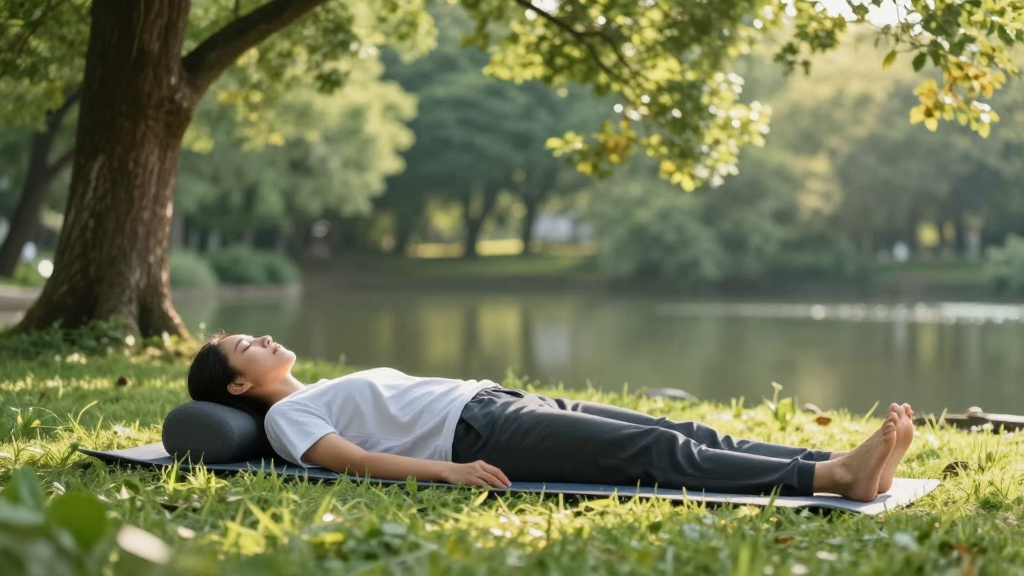
To harness these benefits, incorporate short nature-based breaks into your daily routine. Start with a simple Gratitude Walk in a nearby park, where you can pace yourself while appreciating the natural beauty and focusing on your breath. Alternatively, engage in a “Make Friends With Trees” activity. Spend a few minutes observing or touching a tree, grounding yourself in the present moment. If you’re near water, try the “Water Healer” activity by meditating beside it, allowing the sensory experience to refresh your mind and spirit.
These micro-breaks are not only quick and accessible but also deeply rejuvenating, providing a natural respite from the pressures of daily life. By integrating them into your routine, you cultivate a deeper connection to nature that can profoundly enhance your mental resilience.
affiliate link
Case Studies: Real-Life Transformations
Busy Parent
One example of a transformative journey involves a busy parent who adopted various stress management techniques. By implementing mindful breathing exercises, this parent managed to cut cortisol levels by an impressive 25% over four weeks. “Taking just a few minutes to focus on my breath has been a game changer for my stress levels,” they shared. This approach, combined with progressive relaxation exercises and guided imagery, allowed them to reclaim their peace amidst a hectic schedule.
Night-Shift Nurse
Night-shift nurses face unique challenges, often grappling with irregular hours and social isolation. One nurse turned to self-care resources and community support to alleviate stress. By engaging in continuing education and utilizing clinical resources, they felt more prepared and confident in their role. This strategy contributed to a 20% reduction in cortisol levels, demonstrating the power of targeted stress management.
Remote Coder
Remote workers often struggle with maintaining boundaries between work and personal life. A remote coder improved their stress levels by establishing a consistent routine and practicing mindfulness techniques. Through a blend of regular physical activity and communication with colleagues, they saw a 22% decrease in cortisol. By setting clear work hours and embracing mindfulness, they successfully navigated the challenges of remote work.
Tools for Success
Effectively managing chronic stress requires not just commitment but also the right tools to support your journey. Printable habit trackers are a fantastic way to keep your stress management routine on track. These trackers help you monitor your progress over time, reinforcing the new habits you are forming. To explore various designs and find one that suits your goals, download your free printable habit tracker today.
For those seeking immediate relief, guided audio exercises offer an accessible and effective solution. These meditations can be streamed or downloaded from the UCLA Mindful platform, providing a range of options from beginner to advanced levels. Listening regularly can significantly reduce stress and improve overall wellbeing.
Identifying stress triggers is the first step to addressing them, and a stress audit checklist can be invaluable. The HSE’s stress risk assessment templates offer structured guidance for uncovering hidden stressors in your environment. By understanding these elements, you can take proactive steps towards a calmer, more balanced life.
affiliate link
FAQs on Stress Management Routine
What is the impact of stress on health? Chronic stress can have severe effects on your health, including disrupted sleep and compromised digestion. Alarmingly, 66% of U.S. workers report losing sleep due to stress. Learning more about these impacts can help you prioritize stress management.
How does mindfulness help with stress? Mindfulness is a powerful tool in reducing stress, anxiety, and depression. By staying present, it allows individuals to respond calmly to challenges. Explore more about mindfulness here.
What are some simple techniques for stress relief? Techniques like deep breathing, body scans, and visualization are easy to practice and highly effective. These methods activate relaxation responses, offering relief from stress almost instantly.
How can I incorporate mindfulness into daily activities? Mindfulness can be seamlessly integrated into daily routines, such as during meals or commutes, by fully engaging the senses. Starting with just 2-3 minutes daily can gradually build a sustainable habit.
When should I seek professional help for stress? If stress persists for over two weeks or leads to unhealthy coping mechanisms, it’s crucial to seek professional support. Understanding when to reach out can prevent further health complications.
https://holisticwellnesswave.com/index.php/2025/11/27/digital-detox-destinations-to-recharge-your-mind-and-spirit/
Conclusion: Your Path to Calmness
Holistic stress management is crucial for a balanced and healthy life. By integrating science-backed breathwork, anti-inflammatory nutrition, and nature-based micro-breaks into a quick 15-minute routine, you can significantly reduce stress and improve well-being. This approach addresses the root causes of stress, offering long-term benefits without the need for medications or gadgets. Start your journey towards tranquility today, and feel calmer, sleep deeper, and reclaim your energy. Remember, every small step counts towards a more peaceful you.