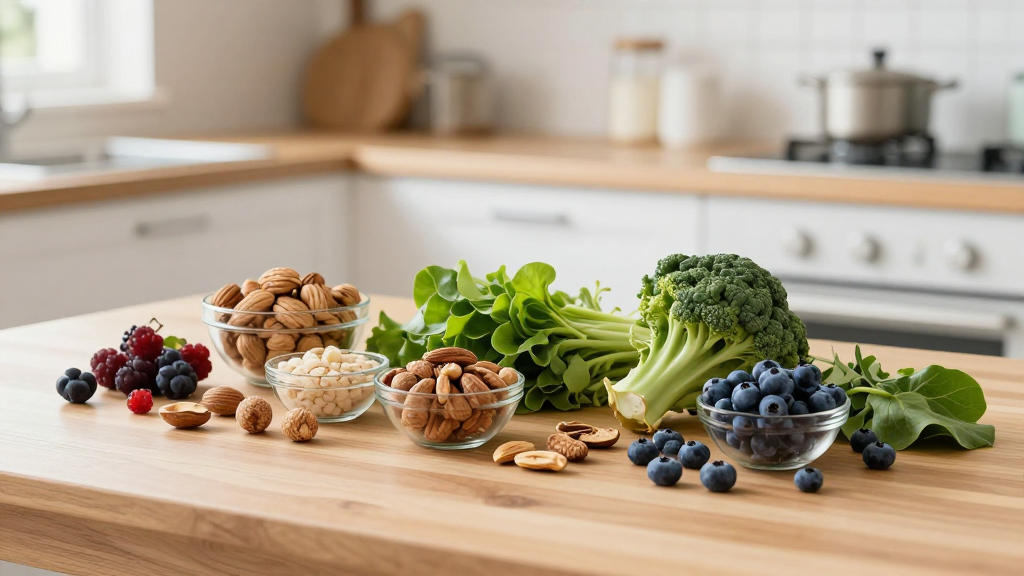
Shift Grocery Budget: Support Local Farms
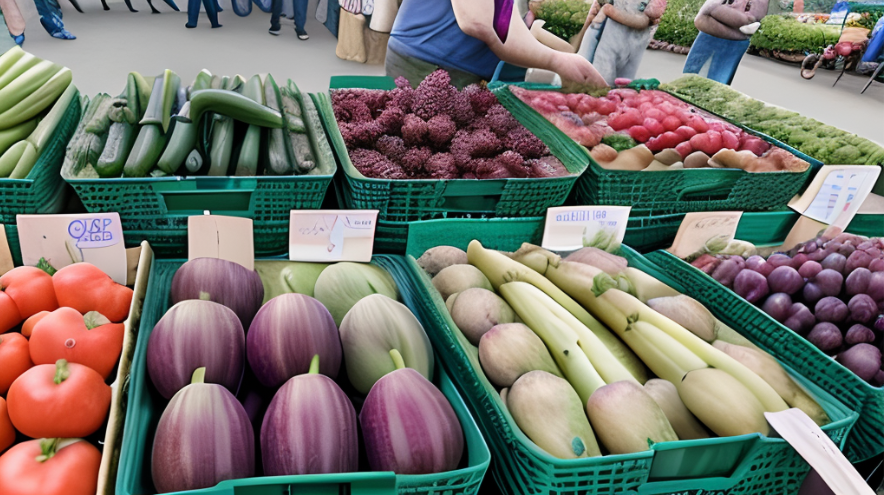
In today’s world, ethical food sourcing has become a priority for many consumers. Choosing where our food comes from is not just about nourishment but about supporting practices that align with our values.
Local farms offer an array of benefits that supermarkets simply can’t match. They provide fresh, seasonal produce while fostering a stronger community connection. By shifting your grocery spending to local farms, you not only enjoy tastier, healthier food but also contribute to a more sustainable food system.
affiliate link
Support for Local Economy
Choosing to buy from local farms significantly supports the local economy. This shift not only keeps money within the community but also boosts local businesses, creating a multiplier effect where each dollar spent generates two to three times the local economic activity compared to non-local spending.
In cities like Detroit, reallocating just 20% of food spending to local sources has the potential to create thousands of jobs and increase tax revenue. This transformation can lead to a more robust local economy and healthier community.
Additionally, buying local ensures farmers receive fair compensation for their hard work. As John, a local farmer, says, “Fair compensation empowers us to continue providing fresh, quality produce while sustaining our families and the land.” Direct sales from local farms allow farmers to receive better prices, thus supporting their livelihoods and keeping their farms operational.
Supporting local farms is not just an economic decision—it’s an investment in community health and sustainability, laying the foundation for a vibrant local economy.
Environmental Impact
Local farms play a critical role in reducing the carbon footprint associated with food production. Unlike industrial agriculture, responsible for one-third of global greenhouse gas emissions, local farms focus on regenerative practices. These practices not only sequester carbon but also enhance soil health, reducing environmental damage.
Furthermore, sourcing food locally significantly cuts down on transportation emissions. The average food item travels 1,500 miles from farm to plate. By choosing local produce, you minimize this distance, lowering fuel consumption and making food production more sustainable. Local food systems also offer resilience during supply chain disruptions, maintaining food access and further reducing long-distance transportation needs.
Local farming practices also excel in soil protection. Techniques like cover cropping and conservation tillage combat soil erosion and maintain fertility. Healthy soil is crucial for sustainable agriculture, supporting plant growth and improving ecosystem health.
Additionally, local food systems markedly reduce food waste. Through strategies like farm-oriented sourcing and pre-ordering produce, surplus and ‘wonky’ produce are utilized, minimizing waste at the farm gate. This approach decreases storage time and packaging waste, ensuring that every bit of produce contributes to sustainability.
affiliate link
Nutritional Benefits
When you choose local produce, you’re opting for nutrient-dense foods that are often harvested at peak ripeness. This ensures maximum flavor and nutrition, a stark contrast to supermarket offerings that travel long distances and may lose nutrients over time.
Locally grown fruits and vegetables tend to retain more of their nutritional value because they are consumed closer to their harvest date. For instance, Vitamin C and antioxidants can degrade during prolonged storage and transportation, making local produce a more nutritious choice.
| Produce | Local (Nutrient Level) | Supermarket Organic (Nutrient Level) |
|---|---|---|
| Asparagus | High | Moderate |
| Tomatoes | High | Moderate |
While supermarket organic options offer their own benefits, they often can’t match the freshness and nutrient retention of local produce. This makes local foods a superior choice for those prioritizing health and nutrition in their diets.
Cost-Effectiveness
Shifting your grocery spending to local farms can be a surprisingly cost-effective strategy. Local produce often bypasses the transportation and packaging costs associated with supermarket organic options, leading to potential savings. These savings are not just theoretical; they are real and impactful.
Consider the case of Gino Meriano, who frequents the Downtown Phoenix Farmers Market. Gino reports saving around $10 to $15 a week by purchasing local produce. He highlights the importance of meal planning and the superior quality of local foods, which ultimately helps him manage his budget effectively.
Local Produce: Often cheaper due to reduced transportation costs and direct selling.
Supermarket Organic: Typically includes added costs for packaging, marketing, and transport.
Additionally, local pricing is more stable, as noted by Laura Mudd from Crooked Sky Farms. This stability helps consumers avoid price fluctuations caused by external factors like tariffs. By choosing to shop local, households like Gino’s not only enjoy fresh, quality produce but also successfully reduce their grocery bills, making a strong case for supporting local farms.
affiliate link
Practical Steps to Shift Spending
To seamlessly transition your grocery spending to local farms, start by utilizing a seasonal buying calendar. This tool will guide you on when to purchase specific fruits and vegetables, aligning your shopping with peak freshness and availability.
Incorporating local ingredients into your meals can be both delicious and economical. Consider trying budget-friendly recipes like a hearty vegetable soup made with locally sourced carrots and potatoes or a fresh tomato and basil pasta using ingredients from a nearby farm. These dishes not only save money but also support local agriculture.
When shopping at farmers’ markets, ensure you’re making informed decisions by asking growers key questions. Inquire about soil treatment and whether they use commercial fertilizers or compost. Discuss their pesticide use, any GMO crops, and the freshness of their produce. For animal products, ask about the use of antibiotics or hormones, and whether the animals are pasture-raised or grass-fed. Engaging in these conversations helps you better understand their farming practices and commitment to sustainable agriculture.
FAQ on Buying Local
What is considered “local food”? The term “local food” can be ambiguous, often referring to food grown within a certain distance, sold directly to consumers, or produced within a specific ecological environment. This lack of official definition can lead to different interpretations and expectations.
Are local foods always more expensive? Not necessarily. While the cost of groceries has risen overall, the price gap between farmers markets and supermarkets is narrowing. Some items, such as carrots, may even be cheaper at farmers markets. Consumers can often negotiate prices directly with farmers, potentially reducing costs further.
Is local produce always available? Availability varies by region and season. In areas like North Texas, multiple farmers markets operate year-round, offering a variety of fresh produce. Checking a seasonal buying calendar can help ensure you’re purchasing produce at its peak.
Does local food support the local economy? While buying local can support small farmers, it doesn’t always equate to wider economic growth. Retailers may only stock local foods if they meet price and quality standards, and cheaper imports can sometimes stimulate economic development by freeing consumer spending for other goods.
https://holisticwellnesswave.com/index.php/2025/11/25/affordable-healthy-food-trends/
Conclusion
Shifting your grocery spending to local farms offers numerous benefits, from supporting local economies and reducing your carbon footprint to enjoying fresher, often more nutrient-dense produce. Plus, with the narrowing price gap between farmers markets and supermarkets, it’s an economical choice too. Start by exploring local markets and asking questions to make informed purchases. Take action today and join the movement towards a more sustainable and community-focused food system. Your support can make a difference!