Effective Anxiety Relief: No Medication Needed
Anxiety disorders, such as Generalized Anxiety Disorder and Social Anxiety Disorder, affect millions worldwide, making them some of the most common mental health issues today. According to mental health resources, understanding these conditions is crucial for effective anxiety relief management.
Exercise emerges as a potent ally in combating anxiety, offering a natural alternative to medication. A study in The Lancet Psychiatry found that regular physical activity can reduce poor mental health days by more than 40%.
“Exercise not only distracts from anxiety-provoking thoughts but also enhances self-efficacy and mastery,” notes Psychology Today. Moreover, physical activity boosts neurotransmitters like serotonin and dopamine, further anchoring its benefits in neuroscience.
Understanding HIIT Burst
Explanation of High-Intensity Interval Training (HIIT)
High-Intensity Interval Training (HIIT) is a dynamic exercise regime that alternates between intense bursts of activity and short recovery periods. This approach allows you to push your pace beyond comfort zones and achieve fitness gains in a shorter workout span. Whether you’re running, rowing, or jumping rope, HIIT can be seamlessly integrated into various cardio workouts.
affiliate link
Impact on Anxiety and Mental Health
Research indicates that HIIT can significantly impact anxiety and mental health. A study found that engaging in HIIT can lead to a 30% increase in mood levels 30 minutes post-exercise, offering a delayed yet positive shift in mood states. Enhancing cognitive functioning, HIIT thus emerges as a promising tool for mental health improvement.
Benefits of Incorporating HIIT
Boosts metabolism, promoting prolonged calorie burning.
Effective for fat loss and reducing waist circumference.
Improves oxygen consumption and enhances performance.
Lowers blood sugar, benefiting those with type 2 diabetes.
Integrating HIIT into your routine not only supports physical fitness but also contributes to mental well-being, making it an essential component of a balanced approach to reducing anxiety.
Steady-State Cardio for Calmness
Definition and Examples
Steady-state cardio (SSC) is a form of aerobic exercise performed at a consistent, moderate intensity over an extended period. It allows the body to maintain a steady pace by ensuring adequate oxygen supply to meet energy needs. Common examples include walking on a treadmill, outdoor cycling, swimming, and participating in dance fitness classes like Zumba.
Connection to Reduced Anxiety
Research highlights that aerobic exercises, including SSC, are effective in reducing anxiety symptoms, particularly in individuals with generalized anxiety disorder. Mechanistically, steady-state cardio can elevate serotonin levels and foster neuroplasticity. Psychologically, it serves as a distraction from negative thoughts and promotes mindfulness, offering a holistic approach to mental well-being.
Practical Tips for Incorporation
Start with activities that are challenging yet sustainable, gradually increasing duration and intensity.
Wear comfortable, breathable clothing for optimal workout experience.
Combine SSC with strength training for a balanced fitness routine.
Ensure regular sessions to maximize benefits.
Allow for proper recovery with adequate rest and loungewear.
| Type of Cardio | Intensity | Duration |
|---|---|---|
| Steady-State Cardio | Moderate | 30-60 minutes |
| HIIT | High | 20-30 minutes |
Incorporating steady-state cardio into your routine can be a gentle yet effective way to enhance both physical and mental health.
Mindful Strength Circuits
affiliate link
Explanation of Mindful Strength Circuits
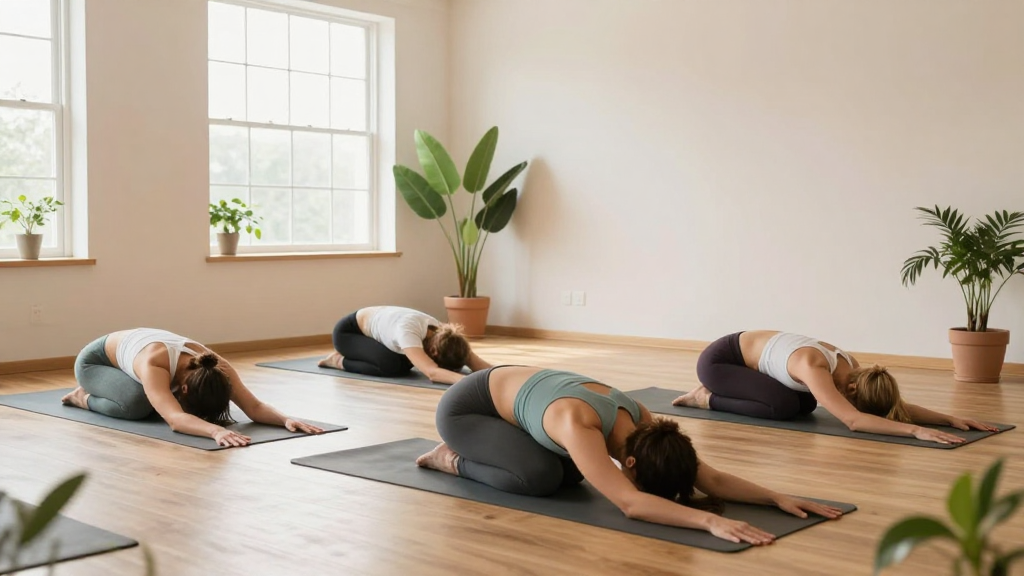
Mindful strength circuits integrate mindfulness practices into strength training routines to enhance both physical performance and mental awareness. This approach emphasizes the mind-body connection, focusing on being present and aware during workouts.
Mindfulness in Training
“Mindfulness in exercise is about being present and experiencing each movement fully.” Integrating mindfulness into strength training can significantly improve outcomes like emotion regulation and overall well-being. Techniques such as isometric training and visualization help in maintaining focus and enhancing performance.
Suggested Exercises and Tips
Start with body-weight exercises like push-ups and squats.
Incorporate resistance bands for added challenge.
Include core-strengthening exercises like planks and bird-dogs.
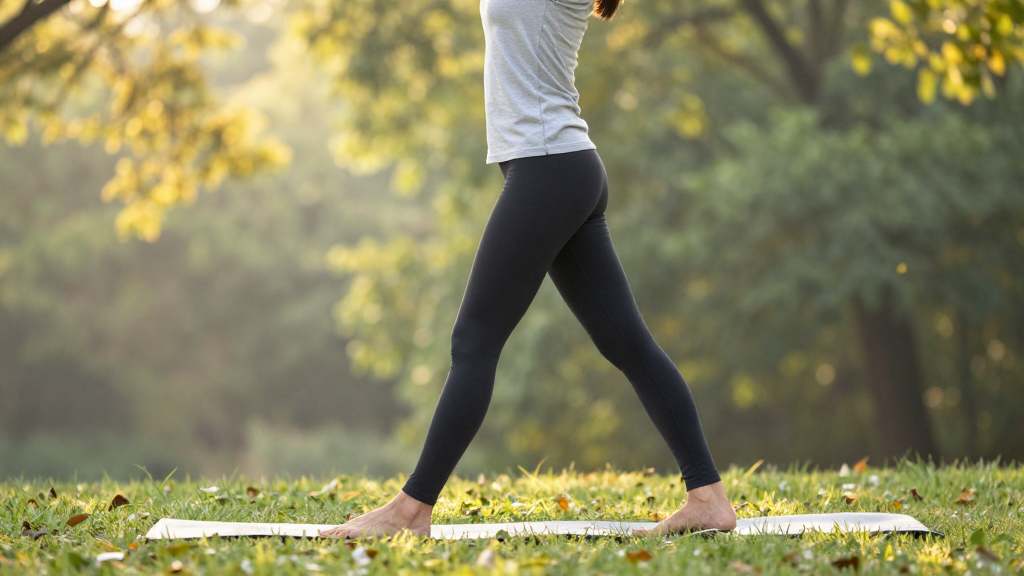
Explore yoga poses such as Warrior II for relaxation and strength.
Dedicate warm-up sessions to mindfulness practices.
Set SMART goals to track progress and maintain motivation.
By incorporating these exercises into your routine, you can effectively manage anxiety while enhancing your physical health.
Weekly Workout Templates
affiliate link
Creating a balanced workout schedule is essential for maximizing the mental health benefits of exercise. By combining various modalities, you can effectively combat anxiety without medication. Here are some guidelines to help you structure your week:
Include aerobic fitness activities like walking or jogging for at least 150 minutes per week.
Incorporate strength training for all major muscle groups twice a week.
Add core exercises such as planks and sit-ups to your routine.
Practice balance training with exercises like tai chi.
Don’t forget flexibility and stretching to enhance range of motion.
Flexibility and customization are key. Adjust activities based on energy levels and preferences.
| Day | Activity |
|---|---|
| Monday | HIIT burst (20 mins) + Core exercises |
| Tuesday | Steady-state cardio (30 mins walk/jog) |
| Wednesday | Mindful strength circuits (30 mins) |
| Thursday | Rest or gentle yoga |
| Friday | HIIT burst (20 mins) + Balance training |
| Saturday | Outdoor cardio (bike/swim) |
| Sunday | Stretching routine + Meditation |
This template offers a structured approach while allowing room for personal adjustments, ensuring a comprehensive routine that supports mental health.
FAQ: Exercise and Anxiety
Exercise is a powerful tool for managing anxiety, but there are common questions and misconceptions about its impact on mental health. Here are some frequently asked questions:
Q: How does exercise affect anxiety?
A: Exercise has been shown to reduce anxiety symptoms by promoting the release of endorphins, enhancing mood, and improving sleep. It can also provide immediate relief, with reductions in anxiety noted right after physical activity, lasting up to 120 minutes (source).
Q: Is exercising daily necessary for anxiety relief?
A: While daily exercise offers numerous benefits, engaging in exercise 3-5 times a week for about 45 minutes is sufficient to improve mental health and reduce anxiety (source).
Q: Can exercise alone cure anxiety disorders?
A: No, exercise is an adjunct intervention. While it can significantly help manage symptoms, therapy and medications are primary treatments for anxiety disorders (source).
Q: Is anxiety just normal worry, and can exercise help?
A: Anxiety disorders involve persistent, excessive worry that disrupts daily life, unlike temporary worry (source). Exercise can mitigate these symptoms by reducing tension and improving overall well-being.
Understanding these aspects can help you leverage exercise effectively as part of your anxiety management strategy.
https://holisticwellnesswave.com/index.php/2026/01/01/7-essential-routines-for-a-longer-healthier-life/
Conclusion
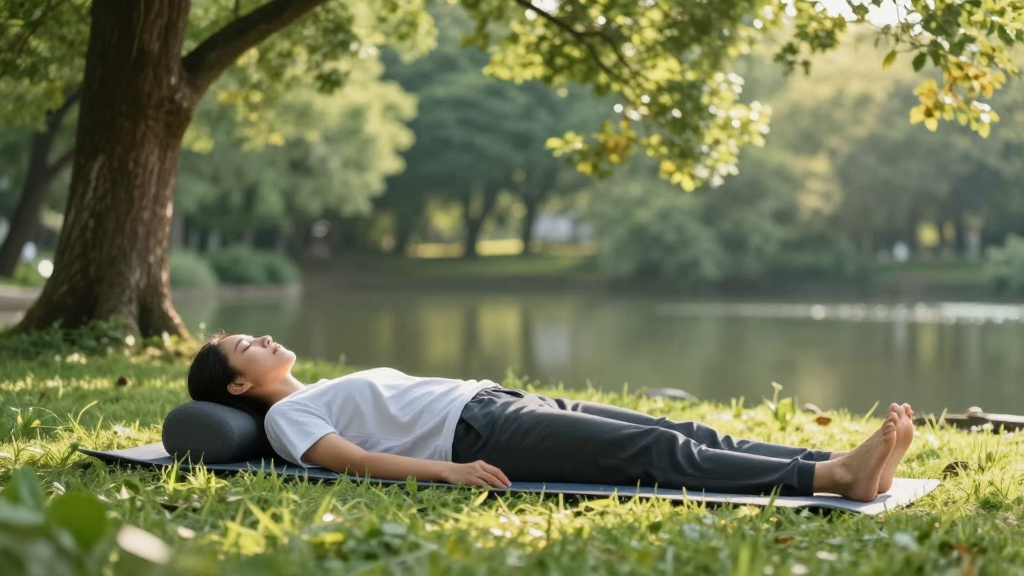
Exercise offers a powerful and natural way to combat anxiety, providing both immediate relief and long-term benefits. By engaging in activities like aerobic exercises, resistance training, and mindful practices, you can significantly reduce anxiety levels and enhance overall well-being. These workouts not only ease tension but also boost mood and improve mental resilience.
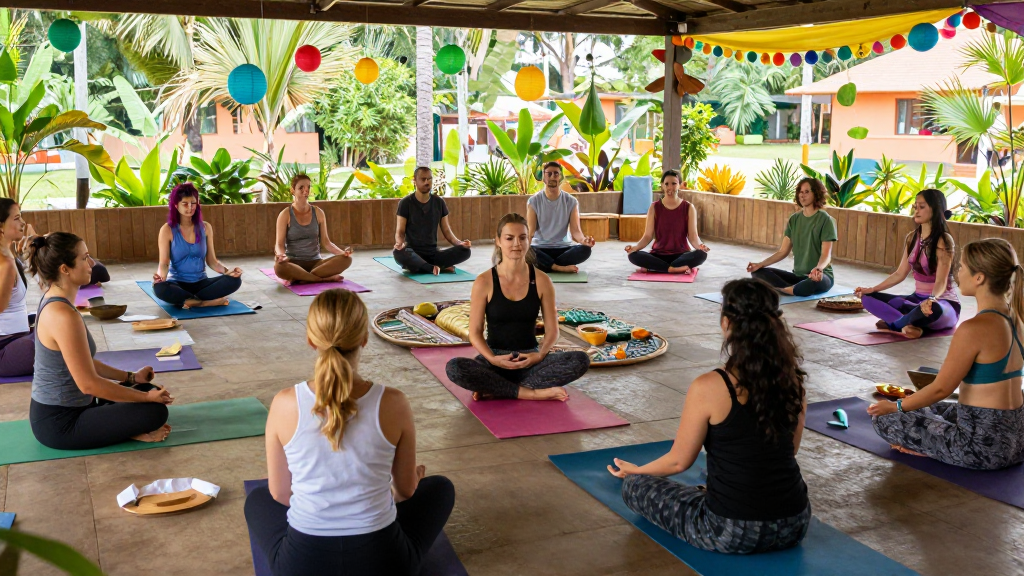
It’s time to embrace these effective workouts and make them a part of your routine. Whether you prefer a solo session or a group activity, find what suits you best and begin your journey to a calmer, healthier mind today. Start small, stay consistent, and feel the transformation.