Walking After Eating: Blood Sugar 10-Minute Fix
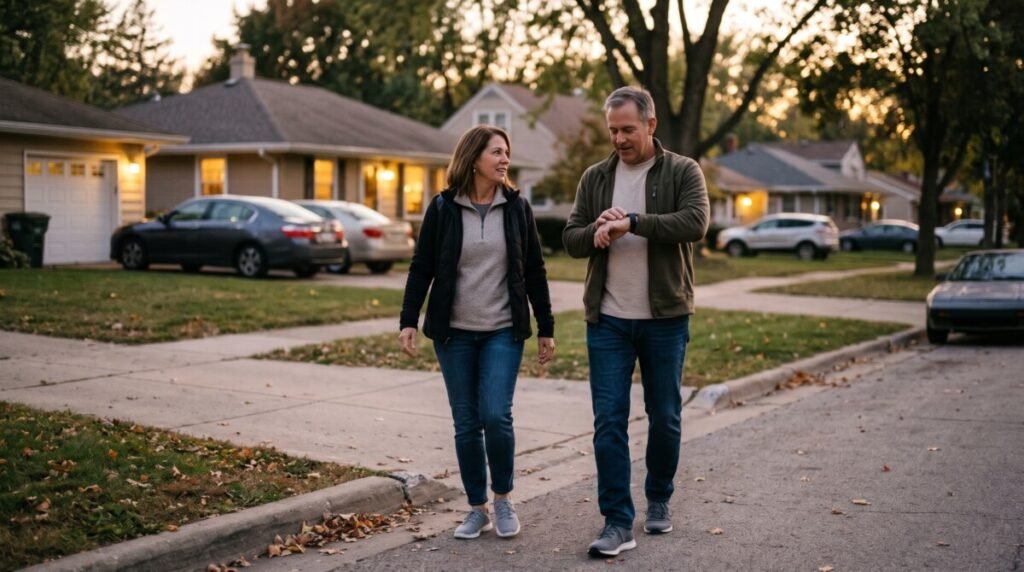
I used to wake up at dawn for grueling holiday workouts, hoping to outrun heavy Thanksgiving and December dinners. However, packed travel schedules and family hosting duties quickly derail rigid sixty-minute gym routines during the festive season. When we sit motionless after eating carb-rich feasts, blood sugar spikes sharply and leaves us feeling sluggish and bloated. Fortunately, research shows that walking after eating blood sugar habits clear excess glucose far better than early morning cardio. Below, we will explore how brief post-meal movement protects metabolic health and fits seamlessly into busy winter celebrations.
https://82e60ov5l5zyjq3qxdj7qa69ae.hop.clickbank.net
Key Takeaways
Active muscles clear sugar without extra insulin: Gentle post-meal walking opens cellular pathways in leg muscles to absorb circulating blood glucose immediately.
Short strolls outperform single morning workouts: Taking a 10-to-15-minute walk right after dinner lowers evening blood sugar spikes more effectively than one long gym session.
Indoor movement works in freezing weather: Brisk stair climbs, living-room mobility circuits, and mall-shopping laps deliver identical metabolic benefits when snow blocks outdoor sidewalks.
How Walking After Eating Blood Sugar Works to Unlock Post-Thanksgiving Walk Benefits
Walking after eating blood sugar management relies on a simple biological shortcut inside the body’s largest leg muscles. When muscles contract during a brisk walk, they pull sugar directly from the bloodstream for fuel without needing insulin. A landmark Diabetologia study found that ten-minute post-meal walks lowered evening blood sugar spikes by 22 percent. Furthermore, a 2022 Sports Medicine review confirmed that even two to five minutes of light walking improves glucose control. Beyond stabilizing energy, these post-Thanksgiving walk benefits gently stimulate stomach muscles to speed digestion and reduce uncomfortable holiday bloating.
Addressing Cold Weather and Digestion Myths Around How Long to Walk After a Big Meal
Despite strong clinical evidence, outdated fitness myths still convince many people that exercising right after eating causes painful stomach cramps. Sports medicine researchers clarify that while intense sprinting diverts blood from digestion, gentle walking actually eases fullness and heartburn. Skeptics also question how long to walk after a big meal when icy sidewalks or dark winter evenings limit outdoor access. Clinical trials in Nutrients show that starting movement within thirty minutes of eating matters far more than walking speed. People with diabetes taking insulin should still monitor levels carefully, since rapid muscle sugar uptake can occasionally cause low blood sugar.
Practical Exercise Snacks During Holidays When Snow or Travel Blocks Outdoor Walks
https://82891np-l93xgo2dhh-c0dyp9y.hop.clickbank.net
When freezing temperatures or airport layovers prevent neighborhood strolls, creative exercise snacks during holidays deliver the exact same metabolic payoff. Hosts and guests can perform five minutes of steady indoor stair climbs or brisk mall-shopping laps between festive errands. Living-room mobility circuits combining bodyweight squats, calf raises, and marching in place activate large leg muscles without leaving the house. Even clearing dinner plates, washing dishes, and tidying the kitchen for twelve minutes keeps leg muscles actively absorbing mealtime glucose. Health analysts expect wearable fitness trackers to increasingly replace rigid workout streaks with automated post-meal movement reminders throughout 2027.
Conclusion
Embracing brief post-meal walks has freed me from the stress of squeezing exhausting workouts into packed holiday travel days. By letting active leg muscles clear excess glucose naturally, we prevent afternoon energy crashes and support smoother digestion after feasts. This simple habit matters because sustainable health comes from consistent daily movement rather than occasional punishment at the gym. After your next big dinner, I invite you to lace up your sneakers or climb the stairs for ten minutes. Small, intentional steps taken right after eating can protect our metabolic health and energy throughout the entire holiday season.
https://holisticwellnesswave.com/index.php/2026/11/06/zone-2-cardio-why-slower-running-builds-a-strong-heart/
https://serenity7wellness.com/index.php/2026/03/03/japanese-walking-the-3-minute-interval-method-for-cardio/
Frequently Asked Questions
How long should you walk after a big meal to lower blood sugar?
Walking for just 10 to 15 minutes immediately after eating significantly reduces post-meal blood sugar spikes. Studies show even two to five minutes of light strolling activates leg muscles to absorb glucose, though a brisk twelve-minute walk delivers optimal digestive and metabolic benefits after heavy holiday dinners.
Is it better to walk before or after eating for glucose control?
Walking after eating is significantly more effective for controlling blood sugar than exercising beforehand on an empty stomach. Moving within thirty minutes of your last bite allows contracting leg muscles to clear incoming carbohydrates directly from the bloodstream, blunting sharp glucose peaks and preventing post-meal fatigue.
What are the best indoor exercise snacks during holidays when it is cold?
When freezing weather blocks outdoor strolls, ten minutes of indoor stair climbs, brisk mall-shopping laps, or living-room mobility circuits work equally well. Simple bodyweight movements like marching in place, calf raises, and gentle squats engage large leg muscles to clear mealtime blood sugar without requiring gym equipment.