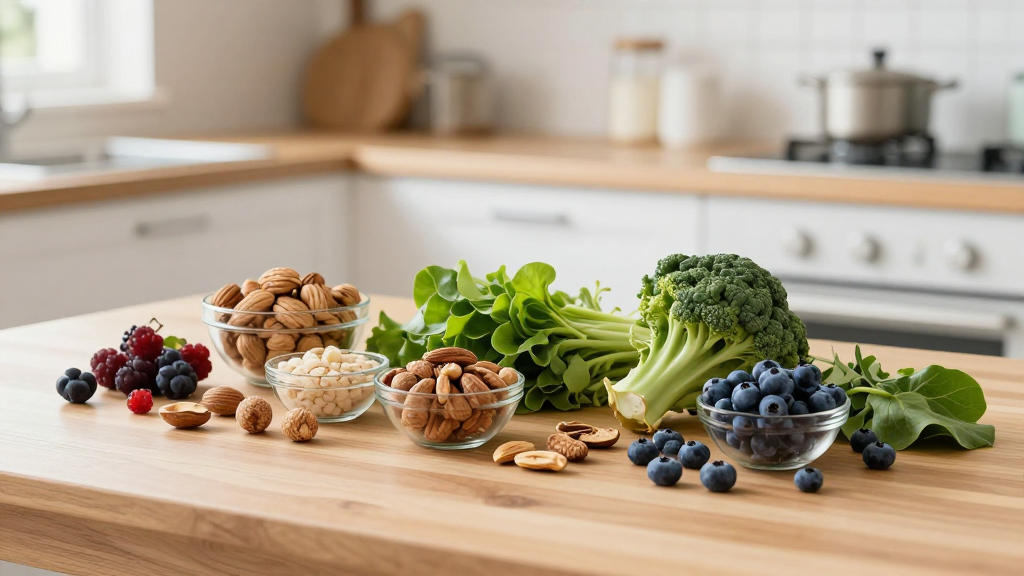
Menstrual Cycle Nutrition: Phase-Specific Swaps

Understanding the importance of syncing nutrition with menstrual phases can transform your health journey. The menstrual cycle consists of four key phases: menstrual, follicular, ovulatory, and luteal. Each phase is guided by hormonal fluctuations that impact energy, mood, and nutritional needs. By aligning your diet with these phases, you can alleviate symptoms like PMS and boost overall well-being.
Personalized nutrition tailors your dietary choices to your unique cycle, enhancing energy levels and mood stability. Using hormone-tracking apps can offer valuable insights into your cycle, making it easier to implement effective nutrition swaps. This approach empowers you to work with your biology, paving the way for optimized health and vitality.
https://jvz2.com/c/3417853/418319
Understanding Your Menstrual Cycle
Grasping the basics of your menstrual cycle is crucial for aligning nutrition and optimizing health. The cycle, typically lasting around 28 days, is divided into four distinct phases, each with unique hormonal changes and physiological effects.
Menstrual Phase
During the menstrual phase (Days 1–5), estrogen and progesterone levels are low, leading to the shedding of the uterine lining. This results in menstruation, which may cause symptoms like cramps and mood changes.
Follicular Phase
The follicular phase (Days 1–13) begins with rising estrogen levels as ovarian follicles grow. This increase in estrogen boosts energy and focus, prepping the body for potential pregnancy.
Ovulatory Phase
Spanning Days 14–16, the ovulatory phase is marked by a surge in luteinizing hormone (LH) and a peak in estrogen, triggering the release of a mature egg. This phase often enhances libido and energy.
Luteal Phase
Lastly, the luteal phase (Days 15–28) sees progesterone levels rise, promoting relaxation. If conception doesn’t occur, hormone levels drop, leading to potential PMS symptoms.
| Phase | Hormone Levels | Effects |
|---|---|---|
| Menstrual | Low estrogen and progesterone | Uterine shedding, mood changes |
| Follicular | Rising estrogen | Increased energy, focus |
| Ovulatory | LH surge, peak estrogen | Egg release, heightened libido |
| Luteal | High progesterone | Relaxation, potential PMS |
With this understanding, you can tailor your nutrition to support your body’s needs throughout each phase.
Nutrition Swaps for the Menstrual Phase
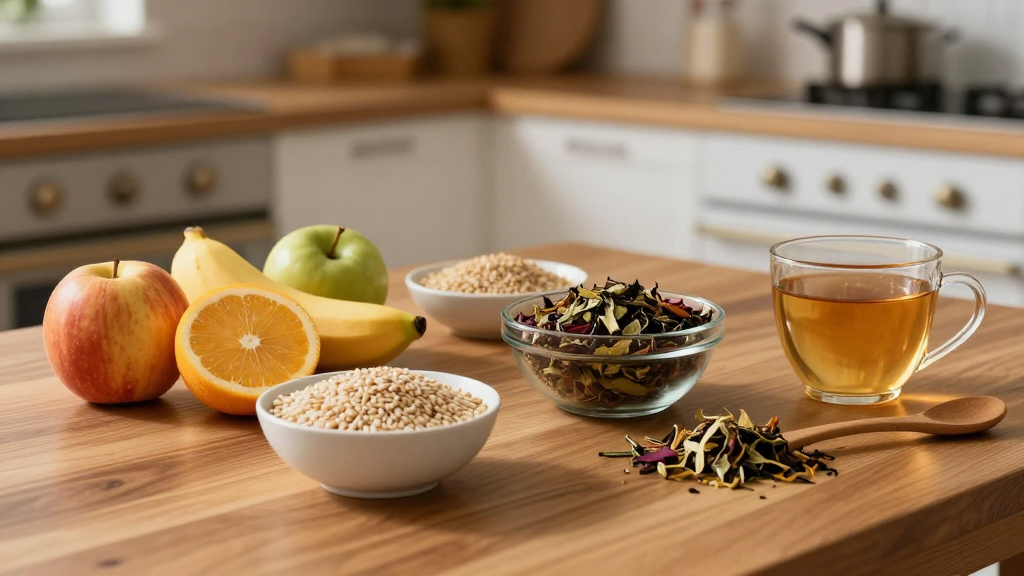
Focus on Iron-Rich Foods
affiliate link
The menstrual phase is a crucial time to replenish iron levels, as blood loss can lead to fatigue and lethargy. Incorporating iron-rich foods like leafy greens, whole grains, and fish can help maintain energy and vitality during this phase.
Importance of Hydration
Hydration is key to managing menstruation symptoms. Staying hydrated can help reduce cramps, bloating, and fatigue by flushing out excess toxins and improving circulation. Keeping a water bottle handy and setting reminders to drink water can seamlessly integrate hydration into your routine.
Soothing Foods for Cramps
Alleviate menstrual cramps by incorporating soothing foods like ginger, turmeric, and nuts into your diet. These foods contain anti-inflammatory properties that can ease discomfort, while dark chocolate offers a comforting boost in magnesium to support muscle relaxation.
By focusing on these nutrition swaps during your menstrual phase, you can support your body’s needs, enhance your well-being, and reduce common menstrual discomforts.
Enhancing the Follicular Phase
The follicular phase is an optimal time to bolster your energy and cognitive function through strategic nutrition. To fuel your body effectively, prioritize increasing your intake of lean protein sources such as fish, turkey, and chicken. These proteins provide essential amino acids that support tissue repair and muscle health, vital for ovulation preparation.
“Boost your energy levels by focusing on nutrient-dense foods that sustain and invigorate during the follicular phase.”
Incorporating antioxidant-rich foods is equally crucial. Berries like raspberries and blueberries, alongside colorful vegetables such as spinach and sweet potatoes, offer potent antioxidants that protect against cellular damage and enhance overall vitality. These nutrients not only support healthy follicle production but also reduce inflammation.
For cognitive benefits, include omega-3 fatty acids in your diet. Omega-3s, found in foods like salmon and walnuts, are vital for brain health. They support communication between brain cells and may improve cognitive function, especially for those experiencing mild memory decline. By integrating these nutrition swaps, you can enhance your energy and focus, aligning your diet with your menstrual cycle’s natural rhythms.
Maximizing the Ovulatory Phase
The ovulatory phase is a time of heightened fertility and vitality, making it crucial to focus on nutrient-dense foods. During this phase, prioritize foods rich in vitamins and minerals. Vegetables like spinach and kale are excellent choices due to their high iron and folate content, which support healthy ovulation.
Complex Carbohydrates
Balancing your diet with complex carbohydrates is essential for maintaining stable energy levels. Incorporate whole grains such as quinoa, brown rice, and oats to ensure a steady release of energy throughout the day. These foods not only regulate blood sugar levels but also provide the fiber necessary for digestive health.
Supporting Mood Stability
Mood stability is a key focus during the ovulatory phase. Consuming foods high in omega-3 fatty acids, such as salmon and walnuts, can support brain health and potentially reduce depressive symptoms. According to research, omega-3s have been linked to mood improvements, showing comparable effects to antidepressants in some studies (source).
By emphasizing a diet rich in nutrients and balanced carbohydrates, you can maximize your ovulatory phase, enhancing both physical energy and emotional well-being.
Balancing Nutrition in the Luteal Phase
During the luteal phase, it’s crucial to tailor your nutrition to manage common symptoms like cravings and mood swings. Focus on incorporating magnesium and B vitamins into your diet to support energy production and reduce bloating. Foods rich in magnesium include:
Almonds
Spinach
Dark chocolate
Avocados
These foods not only supply magnesium but also promote muscle relaxation, helping alleviate cramps.
To manage cravings effectively, incorporate healthy fats like nuts, seeds, and olive oil into your meals. These fats provide satiety and support hormone balance.
“Regulating mood during this phase can be achieved by consuming serotonin-boosting foods.”
Serotonin is a neurotransmitter that enhances mood and is naturally increased by foods such as turkey, bananas, and oats. These foods contain tryptophan, which the body converts into serotonin, helping smooth mood fluctuations.
By adjusting your diet to include these nutrient-rich foods, you can navigate the luteal phase with greater ease and comfort, setting a foundation for overall menstrual health.
Tools and Apps for Cycle Tracking
Incorporating technology into your menstrual cycle management can revolutionize how you plan your nutrition and workouts. Popular hormone-tracking apps such as Natural Cycles, Flo, and Glow offer personalized insights tailored to your cycle phases. These apps help you monitor ovulation, menstruation, and even provide pregnancy tracking options. Not only do these apps enhance data collection and personalization, but they also promote user engagement by offering reminders and health insights. By leveraging these technologies, you can align your nutrition and exercise routines with your cycle, optimizing your overall health.
Natural Cycles: FDA-cleared, requires a basal body thermometer.
Flo: Offers both free and premium versions.
Glow: Integrates with community support for fertility treatments.
Here’s a sample schedule to integrate nutrition and workouts:
| Phase | Nutrition | Exercise |
|---|---|---|
| Menstrual | Iron-rich foods | Low-intensity activities |
| Follicular | Lean proteins | Cardio workouts |
| Ovulatory | Estrogen-balancing foods | High-intensity workouts |
| Luteal | Complex carbohydrates | Medium-intensity workouts |
By using these apps and aligning your lifestyle with your cycle, you can make informed decisions that cater to your body’s unique rhythms.
affiliate link
FAQs on Menstrual Cycle Nutrition
Understanding how nutrition interacts with your menstrual cycle can be empowering and beneficial for your overall well-being. Here, we address some frequently asked questions to help clarify common concerns and misconceptions.
1. Does the menstrual cycle influence our nutritional needs? Yes, it does. During the luteal phase, increased progesterone can lead to higher calorie intake, especially in women experiencing premenstrual syndrome.
2. Are there common misconceptions about period nutrition? Absolutely. One myth is that eating less reduces period pain. In reality, proper nutrition is crucial as fasting may exacerbate symptoms.
3. What foods should be prioritized during menstruation? Focus on iron-rich foods like beans, lentils, and leafy greens to combat fatigue and cramping, paired with vitamin C-rich foods for better iron absorption.
4. How can beginners start syncing their nutrition with their cycle? Begin by understanding the four phases: menstrual, follicular, ovulation, and luteal. Adjust your diet to align with the hormonal changes in each phase, incorporating whole foods and avoiding high-sodium, ultra-processed options.
5. What should be avoided to alleviate PMS symptoms? Avoid high-sodium, high-fat foods, and ultra-processed products. Instead, focus on hydration, healthy eating, and regular exercise to alleviate PMS symptoms effectively.
https://holisticwellnesswave.com/index.php/2025/12/30/prebiotic-sodas-vs-traditional-sodas/
Conclusion and Key Takeaways
Syncing your nutrition with the phases of your menstrual cycle offers a personalized approach to enhance well-being and manage symptoms effectively. By aligning dietary choices with hormonal fluctuations, you can optimize energy levels, stabilize mood, and support overall health. Utilizing apps and tools simplifies tracking and implementation, making it easier to tailor your diet to each cycle phase. Personalizing your nutrition empowers you to work with your body rather than against it, unlocking a more balanced and vibrant life. Embrace this approach for a healthier, harmonious you. Start integrating these strategies today and experience the benefits firsthand!