Continuous Glucose Monitoring Guide
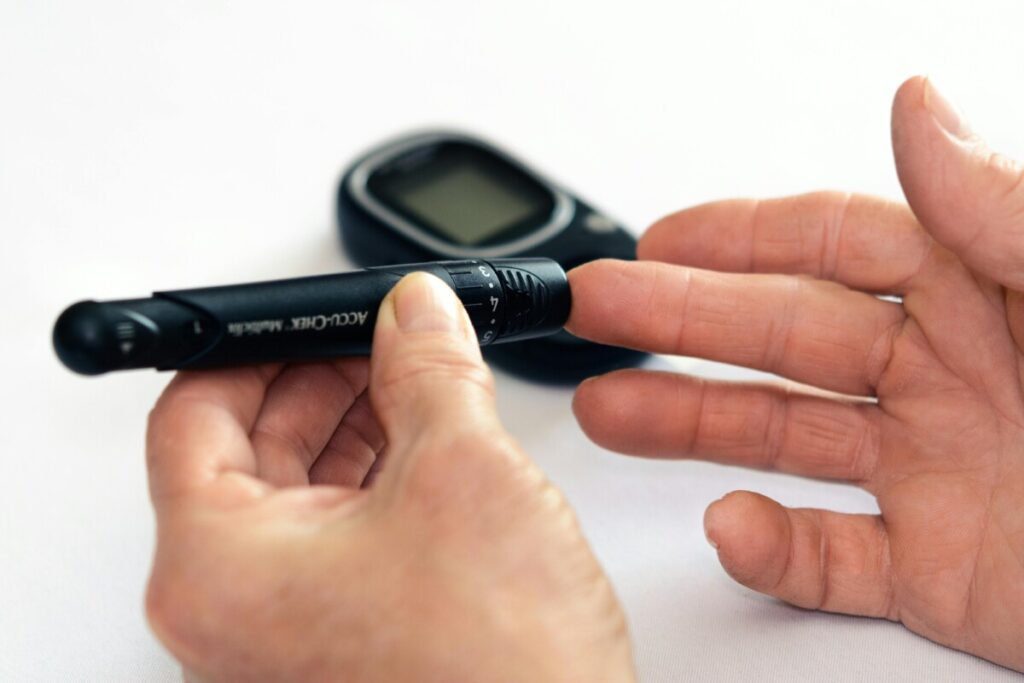
Continuous glucose monitoring (CGM) has revolutionized the way people manage and monitor blood sugar levels. Traditionally, this technology was reserved for individuals with diabetes, offering real-time insights into glucose fluctuations throughout the day. However, with advancements in health technology and growing interest in preventive care, CGM is no longer exclusive to diabetics.
For non-diabetics, understanding blood glucose patterns can unlock powerful insights into overall metabolic health, energy levels, and how the body responds to different foods, activities, and stress. Whether you’re a fitness enthusiast, a health-conscious individual, or someone aiming to prevent future complications, CGM might provide the key to optimizing your well-being.
affiliate link
Key Takeaways
CGM gives non-diabetics valuable insights into blood sugar trends for better dietary and lifestyle decisions.
The technology supports fitness, performance tracking, and early detection of potential health issues like insulin resistance.
Despite challenges such as cost or potential over-monitoring, CGM is becoming an invaluable health optimization tool.
What is Continuous Glucose Monitoring for Non-Diabetics?
Continuous glucose monitoring is a method of tracking glucose levels in real time using small, wearable devices. These devices measure glucose levels via a tiny sensor inserted under your skin. The sensor transmits data to a smartphone app or a reader, providing you with a consistent view of how your glucose levels fluctuate throughout the day.
While CGM was originally developed as a life-saving tool for diabetics, its benefits are now being explored by non-diabetics for broader health insights. For instance, a non-diabetic individual can use CGM to monitor the body’s glucose response to specific meals, physical activity, or periods of fasting. This data offers a clearer picture of how lifestyle choices impact metabolic health, energy levels, and even mood.
affiliate link
How Continuous Glucose Monitoring Benefits Non-Diabetic Individuals
You may be wondering why a non-diabetic would want to monitor their glucose levels. Here are some key benefits that CGM can offer:
Personalized health insights: CGM helps you identify how your body reacts to specific foods, revealing which meals cause massive glucose spikes and crashes.
Metabolic health understanding: Monitoring your glucose levels can uncover early signs of insulin resistance or other metabolic issues before symptoms appear.
Energy optimization: Fluctuating glucose levels often lead to fatigue, irritability, or brain fog. By controlling these fluctuations, you can feel energized throughout the day.
For example, users who frequently felt sluggish after lunch discovered through CGM that certain carbohydrate-heavy meals caused significant glucose spikes. By adjusting their diet, they achieved more consistent energy levels.
However, some critics argue that CGM may create unnecessary anxiety for non-diabetics. Overanalyzing glucose data may lead individuals to become overly obsessed with dietary perfection. To avoid this, focus on long-term health patterns rather than scrutinizing every minor fluctuation.
The Role of CGM in Fitness and Athletic Performance
If you’re someone passionate about fitness, CGM can be your secret weapon to improving performance and recovery. Athletes have started incorporating CGM into their training regimens to better understand how their bodies respond to workouts, meals, and recovery periods.
With CGM, you can:
Recognize when your glucose levels drop too low during a workout to prevent fatigue or dizziness.
Pinpoint the best macronutrient combinations and meal timing for maintaining stable energy during long-distance runs or strength training.
Optimize recovery by identifying post-exercise glucose needs for muscle repair and glycogen replenishment.
For instance, a marathon runner can balance carbohydrates and other macronutrients more effectively by analyzing glucose patterns during training sessions. This empowers them to fuel their body at crucial moments, avoiding energy “crashes” mid-race.
affiliate link
Challenges and Limitations of CGM for Non-Diabetics
Despite its benefits, CGM isn’t perfect—several challenges can make it less appealing to non-diabetics.
Cost considerations: High-quality CGM devices can be expensive, and insurance often doesn’t cover their use for non-diabetic individuals.
Accuracy concerns: CGM’s performance in non-diabetics is still being refined, and the data may not always be perfectly reliable.
Emotional impact: Closely monitoring glucose levels can create unnecessary stress or perfectionism around diet and lifestyle choices.
Addressing these challenges involves balancing the data’s benefits and limitations. It’s important to view CGM as a helpful tool for general guidance, not a diagnostic device. On the financial side, competition in the market is expected to drive prices down in the coming years.
Future Trends in CGM for Broader Health Monitoring
As technology evolves, CGM is extending beyond glucose monitoring to offer broader health-related insights. For instance, researchers are developing non-invasive CGM devices, eliminating the need for needles entirely.
Integrations with wearables like smartwatches and fitness bands are other exciting advancements. Soon, your CGM might seamlessly sync with other health apps, such as sleep trackers and heart rate monitors, giving you a more comprehensive view of your overall well-being. Furthermore, artificial intelligence (AI) algorithms are being implemented to predict potential health issues or offer personalized coaching based on CGM data.
The future looks promising, with CGM expected to become more accessible and widely adopted for preventive healthcare. Partnerships between tech companies and healthcare providers will drive innovation and potentially make CGM a standard tool for health optimization.
Conclusion
Continuous glucose monitoring is no longer solely a tool for managing diabetes. As a non-diabetic, you can benefit immensely from tracking your glucose levels, enabling you to make informed decisions about your diet, fitness, and lifestyle. By identifying patterns of glucose spikes and dips, CGM empowers you to lead a healthier, more balanced life.
Although obstacles like cost and data interpretation exist, the future of CGM technology is brimming with potential. Non-invasive options, AI integration, and widespread adoption by wellness enthusiasts point to a time when CGM becomes a standard preventive health tool. If you’re ready to gain valuable insights into your health, now might be the perfect time to consider continuous glucose monitoring as a tool for optimizing your well-being.
https://diabetes.org/
https://holisticwellnesswave.com/index.php/2025/10/14/advanced-supplements-unlock-optimal-health/
Frequently Asked Questions
1. Can a non-diabetic person use continuous glucose monitoring?
Absolutely. More non-diabetics are turning to CGM for insights into their blood sugar patterns, which can help improve energy, overall health, and metabolism.
2. Are CGM devices accurate for people without diabetes?
Yes, while CGM accuracy is primarily tailored for diabetics, advancements in technology have improved their reliability for non-diabetic users. Proper use is crucial to obtain meaningful data.
3. How frequently should non-diabetics use CGM?
It mainly depends on your goals. If you’re using CGM to better understand specific patterns such as food response or workout readiness, short-term use may be sufficient. Continuous, long-term monitoring isn’t always necessary unless recommended by a healthcare provider.