Protein and Fiber First: Healthy Eating Made Simple
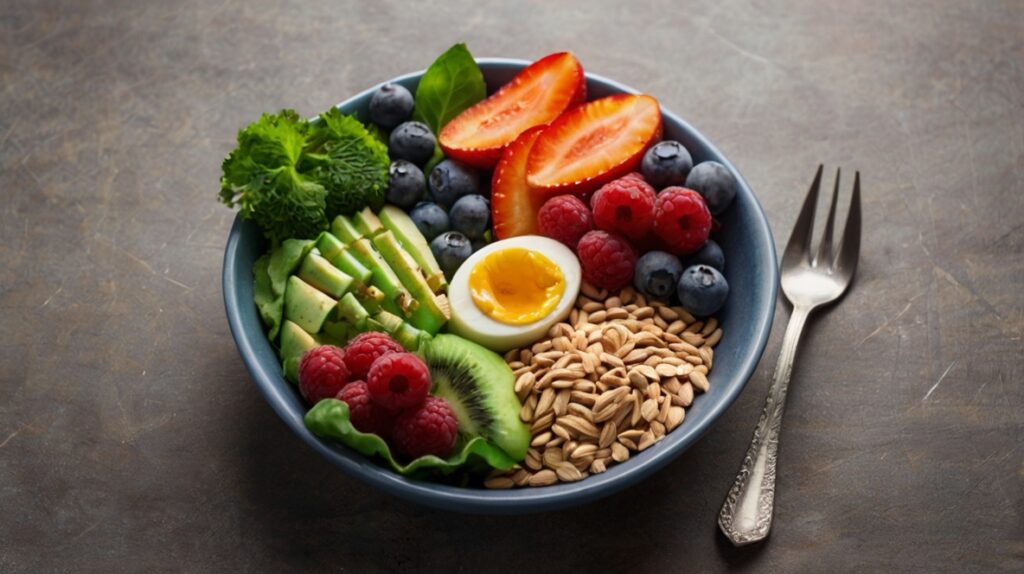
For years, dietary advice has shifted with the tides—low-fat, low-carb, high-protein, intermittent fasting. Yet, amid this swirl of nutrition trends, one principle quietly emerges with remarkable consistency and scientific backing: prioritizing protein and fiber first in meals. This “Protein + Fiber First” approach centers on consuming these two macronutrients before others, especially refined carbohydrates or fats. The rationale is both elegant and practical: protein and fiber slow digestion, curb blood sugar spikes, enhance satiety, and promote long-term gut and metabolic health.
In my own experience—personally and as a nutrition researcher—this method has proved sustainable, empowering, and rooted in science. It offers a flexible, non-restrictive way to improve eating habits without counting every gram or calorie.
🔑 Key Takeaways
Protein and fiber help regulate blood sugar by slowing glucose absorption and enhancing insulin sensitivity.
This approach improves satiety and gut health, reducing overeating and supporting beneficial gut bacteria.
Prioritizing these nutrients is practical and flexible, suitable for various diets and eating styles.
Why Protein and Fiber Matter—First
Let’s begin with the basics. Protein is essential for tissue repair, muscle maintenance, and hormone production. It also plays a vital role in regulating appetite via satiety hormones like peptide YY and GLP-1 (Hall et al., 2017). Fiber, on the other hand, adds bulk to the diet and feeds the gut microbiota. Soluble fiber forms a gel-like substance in the digestive tract, slowing down the absorption of sugars and fats (Slavin, 2013). Insoluble fiber promotes regularity and helps prevent constipation.
When eaten first or early in a meal, these macronutrients create a metabolic buffer. By slowing gastric emptying, they temper the blood glucose response from subsequent carbs—a phenomenon well-documented in meal sequencing research (Shukla et al., 2015). I’ve found that simply eating a boiled egg and raw vegetables before dinner can dramatically reduce post-meal sluggishness.
Addressing Skepticism: Isn’t Balance Enough?
A common counterpoint is that overall dietary balance should matter more than nutrient order. While that’s partially true, evidence suggests meal sequencing does matter—especially for people with insulin resistance or type 2 diabetes. In a randomized controlled trial, participants who ate vegetables and protein before rice had significantly lower postprandial glucose and insulin levels compared to when they consumed rice first (Shukla et al., 2015).
Another perspective critiques the focus on macronutrients as overly reductive. I understand this concern. Yet, the “Protein + Fiber First” method is not about isolating nutrients or ignoring food quality—it’s about shifting the sequence of eating within whole meals. It’s not exclusionary; rather, it’s strategic.
Everyday Applications: From Breakfast to Dinner
The beauty of this method lies in its simplicity. For breakfast, I might start with a Greek yogurt topped with chia seeds and a few almonds—protein and fiber in action. Lunch could begin with a salad loaded with lentils, chickpeas, and crunchy veggies, followed by a sandwich or wrap. Even when dining out, starting with grilled chicken skewers or a bean-based appetizer can make a difference.
This approach also proves useful for people managing polycystic ovary syndrome (PCOS), metabolic syndrome, or prediabetes, all of which benefit from stabilized insulin response. Parents can use this framework too, encouraging kids to eat fruit or veggie sticks with hummus before the main course.
Looking Ahead: Future Implications and Research Directions
As wearable glucose monitors become more accessible, real-time biofeedback is affirming the benefits of nutrient timing. Companies like Levels and Nutrisense are helping users observe how different foods affect their glucose, reinforcing the logic of the “Protein + Fiber First” method.
Future research may explore this approach across diverse populations—athletes, aging adults, or those with gut disorders. We may also see personalized nutrition algorithms that recommend meal order alongside meal content for optimal glycemic outcomes.
Importantly, this method aligns well with sustainable dietary patterns like the Mediterranean or high-plant diets, offering a bridge between traditional nutrition wisdom and modern science.
Conclusion
In an age of overcomplicated food rules and fleeting diets, the “Protein + Fiber First” approach stands out for its simplicity and scientific grounding. It is not a diet but a tactical habit—an easy shift that can yield profound metabolic and digestive benefits.
Whether your goal is steady energy, better gut health, or longevity, putting protein and fiber first is a step toward mindful, effective nourishment. You don’t need to overhaul your entire eating plan—just rethink the order of your bites.
FAQs
Q1: Can this method help with weight loss?
Yes. By increasing satiety and reducing post-meal blood sugar spikes, this approach naturally leads to lower calorie intake over time without the need for strict dieting.
Q2: What are good examples of protein and fiber pairings?
Great pairings include hard-boiled eggs and raw veggies, Greek yogurt with chia seeds, lentil soup, or grilled chicken over leafy greens.
Q3: Do I need to eat protein and fiber before every meal?
Not necessarily, but doing so consistently—especially at larger meals—can significantly improve metabolic outcomes and reduce cravings.
https://holisticwellnesswave.com/index.php/2025/07/10/the-future-of-gut-health/
Sources: